Contract manufacturing
Skincare Contract Manufacturing
AIMSKINCARE develops and makes facial skincare under your brand, from facial wash and toner to serum, moisturizer, and sunscreen. Each formula is built in our own R&D lab around the skin type and the claims you want to sell.
What is skincare contract manufacturing?
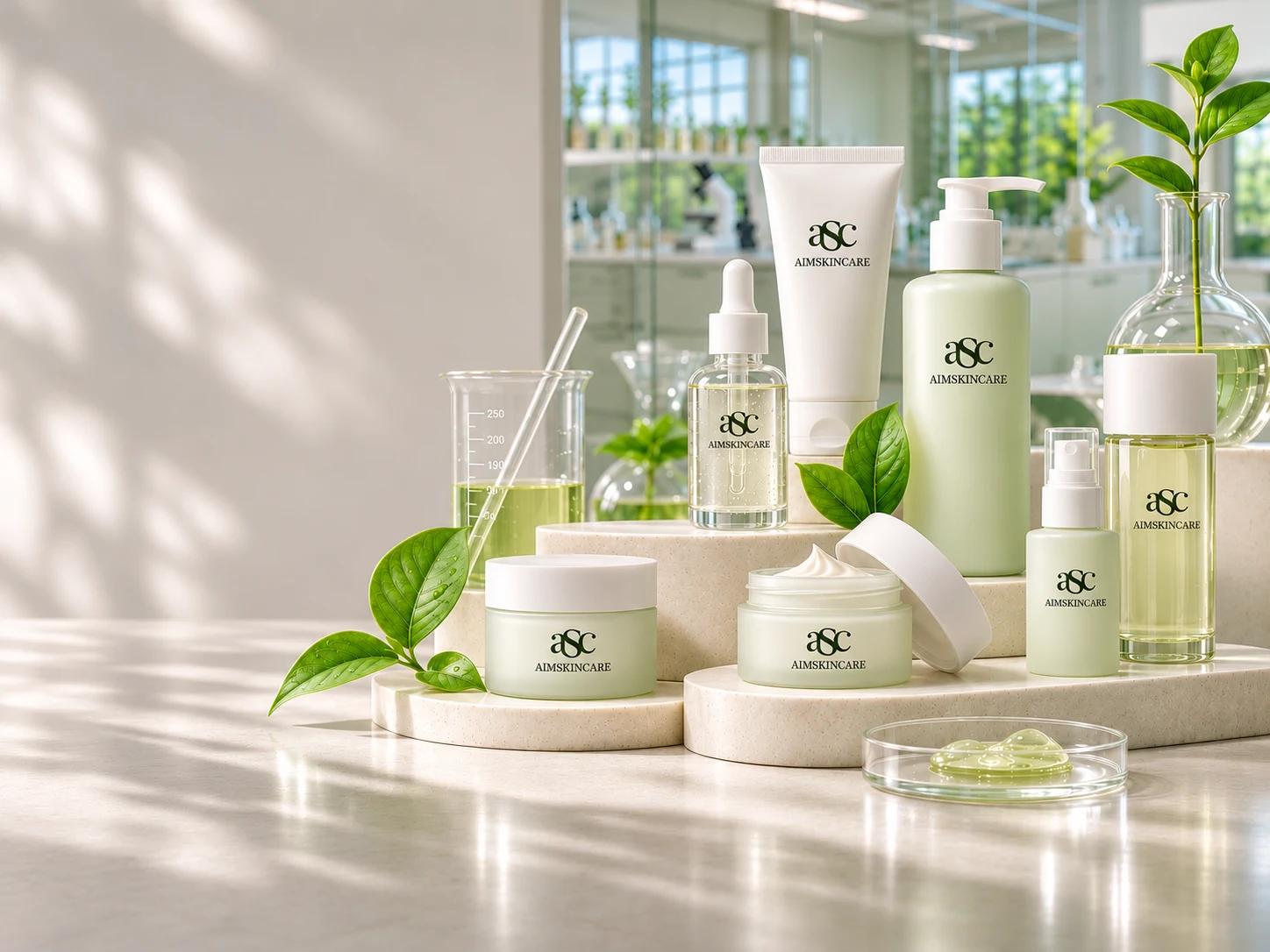
Skincare contract manufacturing is the development and production of facial care products by a cosmetics manufacturer, sold under your own brand. At AIMSKINCARE the work covers cleansers, toners, serums, creams, sunscreens, and masks. The R&D team sets the actives, their concentration, and the pH, then stability testing, packaging, BPOM notification, and halal certification follow in one process, leaving your team free to build the brand.
About us
Since 2017, we have helped brands build skincare and cosmetic products from the ground up. Formulas developed in our own lab, a CPKB and Halal certified facility, and complete registration documents.
PT Aimskincare Manufacturing Indonesia is an OEM/ODM contract manufacturer for skincare, body care, mom and baby care, and color cosmetics, and part of AIM Group.
Read our story- Eexperience
- 9th
- Products
- 8 mill+
- Brands
- 80+
- Skin types
- Oily, dry, combination, sensitive
- Formats
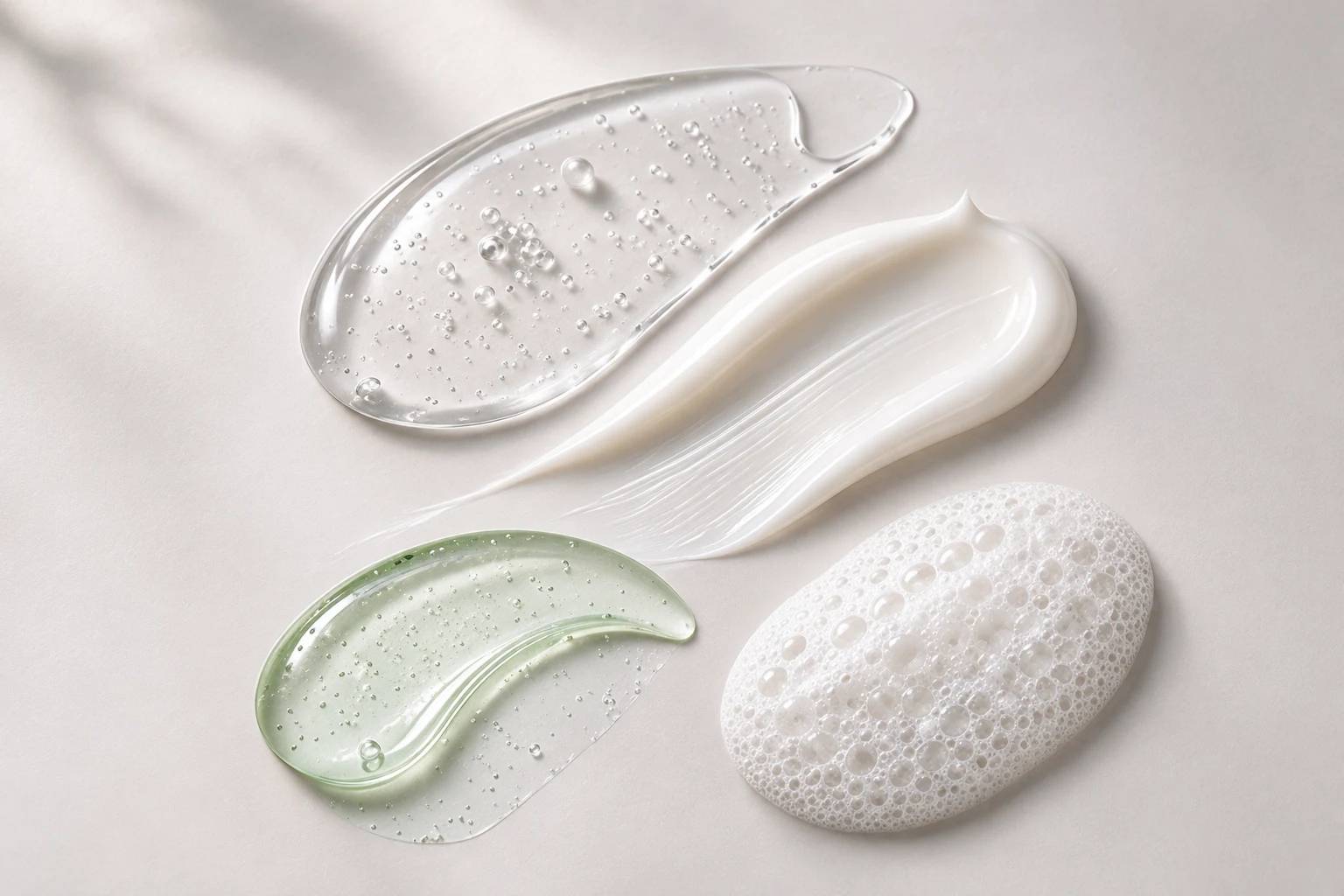
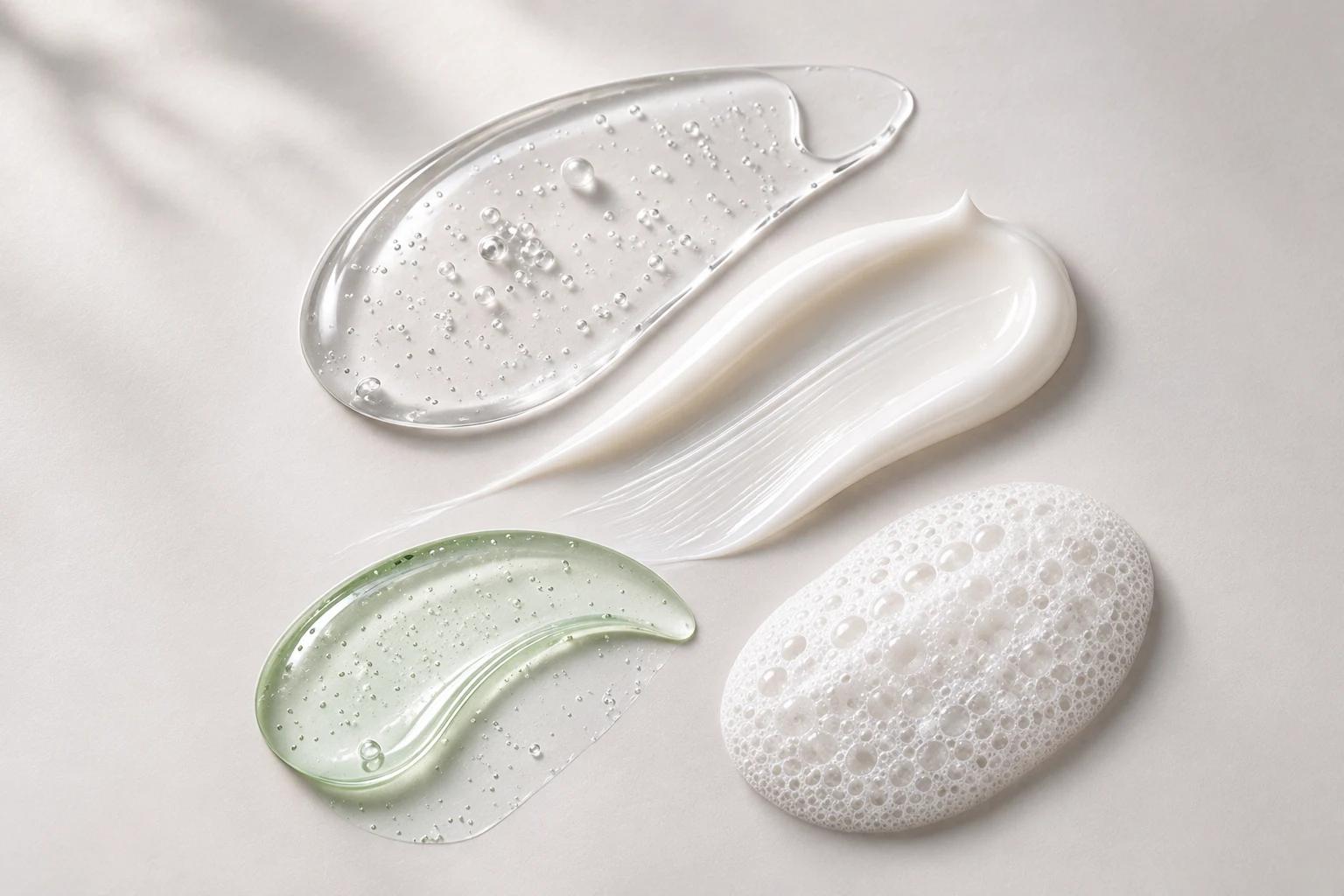
- Gel, cream, serum, toner, oil, mask
- Common tests
- Stability, patch test, SPF, microbiology
- Routes
- ODM and OEM (private label)
The skincare products we make
26 productsServices
What we have to offer.
Some brands arrive with only an idea, others already have a formula. Each service can be taken on its own or as one complete package.
Full Service Manufacturing (ODM)
We develop the formula, packaging, and documents for a product under your brand. Bring the concept; we prepare the rest until the product is ready to sell.
Full Service (ODM) detailsPrivate Label (OEM)
Use a base formula we have already developed, adjust its scent, colour, or packaging, then produce it under your brand in less time.
Private Label (OEM) detailsFormulation & R&D
A new formula from scratch or development of an existing one, handled by our in-house R&D team.
Formulation & R&D detailsPackaging & Design
Containers, materials, and labels are chosen to suit the formula and your brand position.
Packaging & Design detailsBPOM & Halal Registration
We prepare the documents and guide you through BPOM notification and Halal certification for your product.
BPOM & Halal details

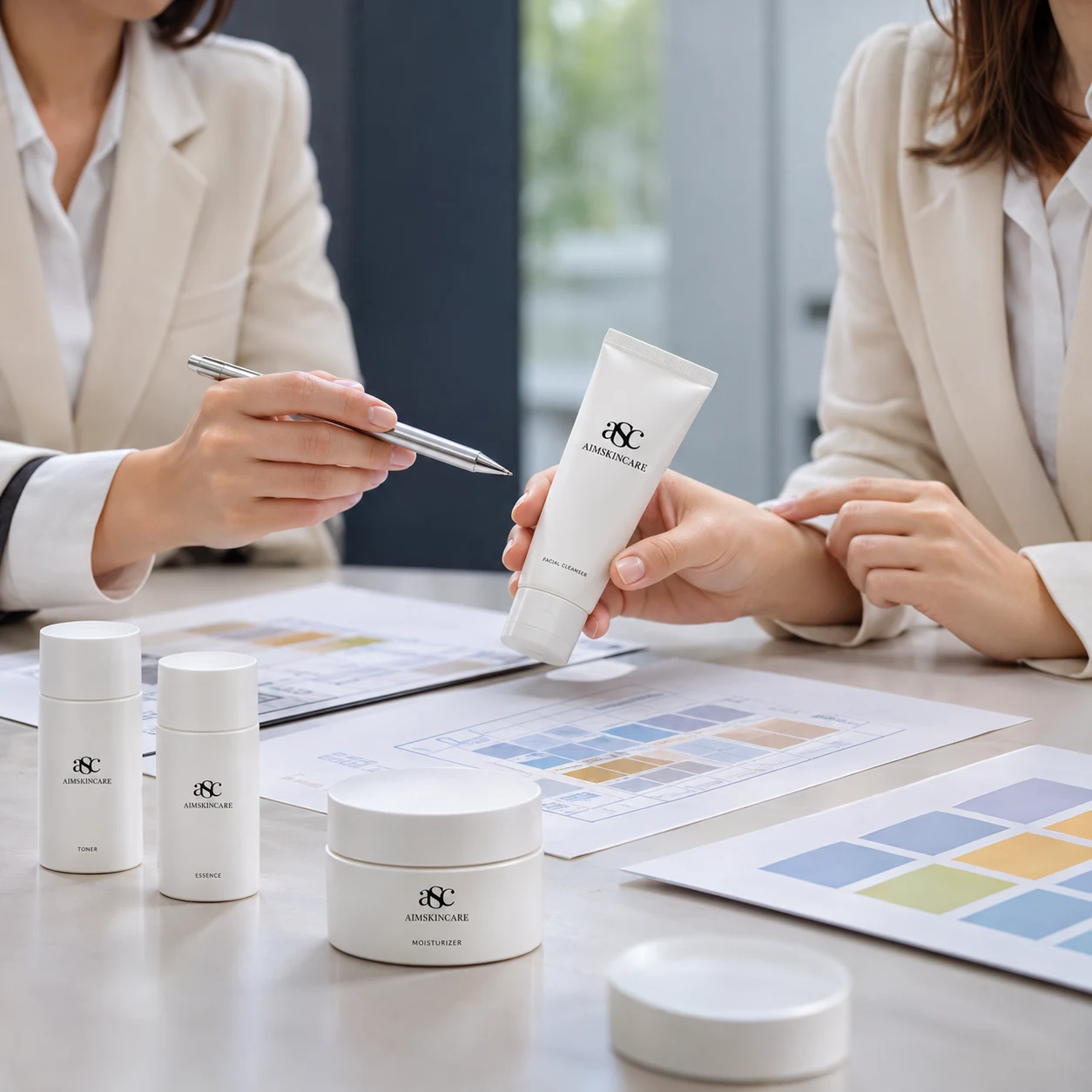
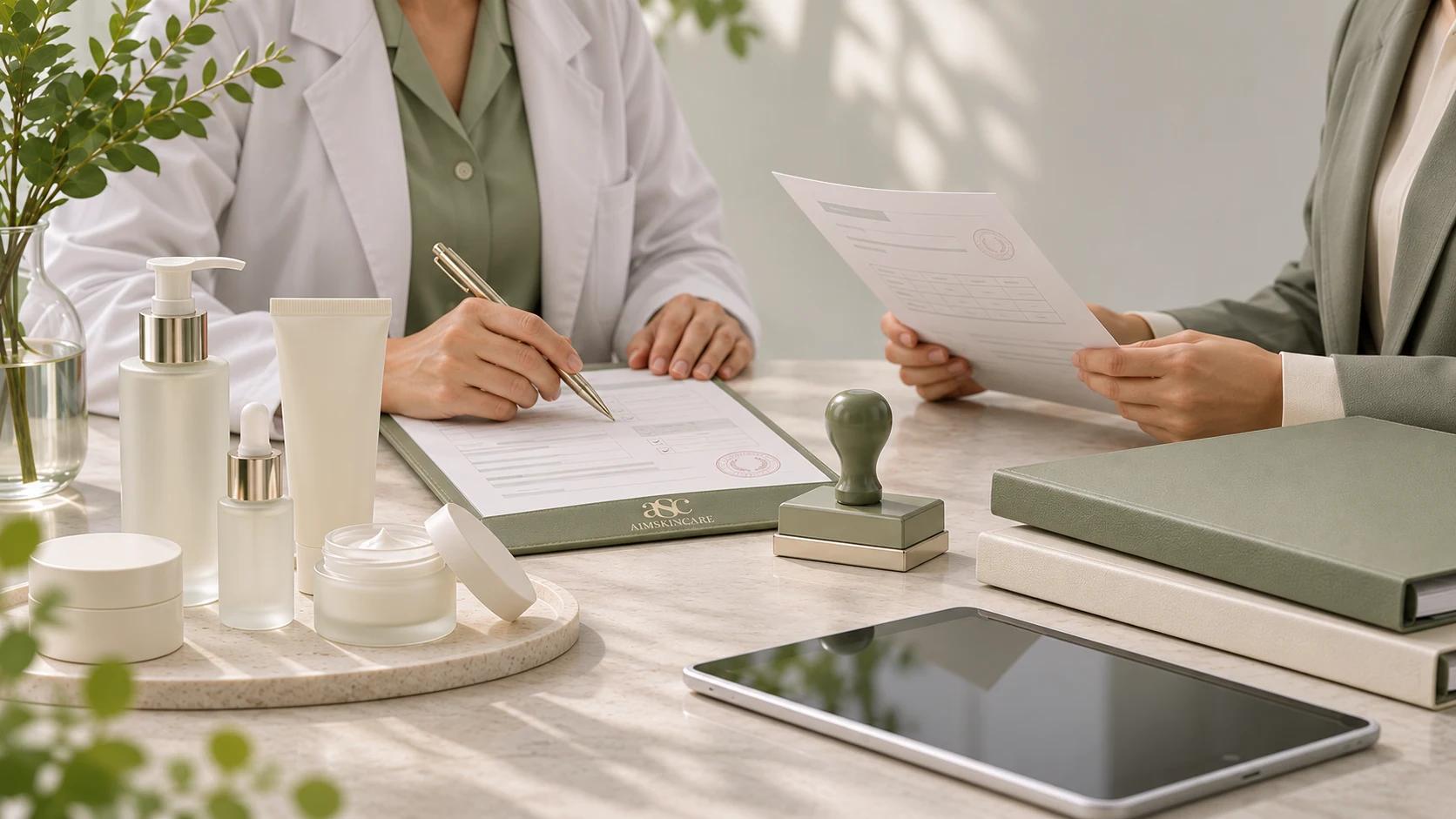
How skincare contract manufacturing works
The full processCertification
Audited standards, not just claims.
The certifications and registrations behind how we produce, from raw materials to finished goods.
Certificate details- CPKB
- HALAL Grade A
- BPOM
- ISO 9001
- ISO 22716
- FDA

Why brands make their skincare with us
About the companyIn-house formulation
Texture, scent, and claims tuned to your brief by our own R&D team.
CPKB & Halal facility
Made in MM2100, Bekasi, with quality checks on every batch.
BPOM & Halal handled
We prepare notification and halal documents.
Practised in gentle formulas
Our mom and baby work carries into products for sensitive skin.
Facilities
From the laboratory to the production line
Our factory is in Kawasan Industri MM2100, Bekasi.
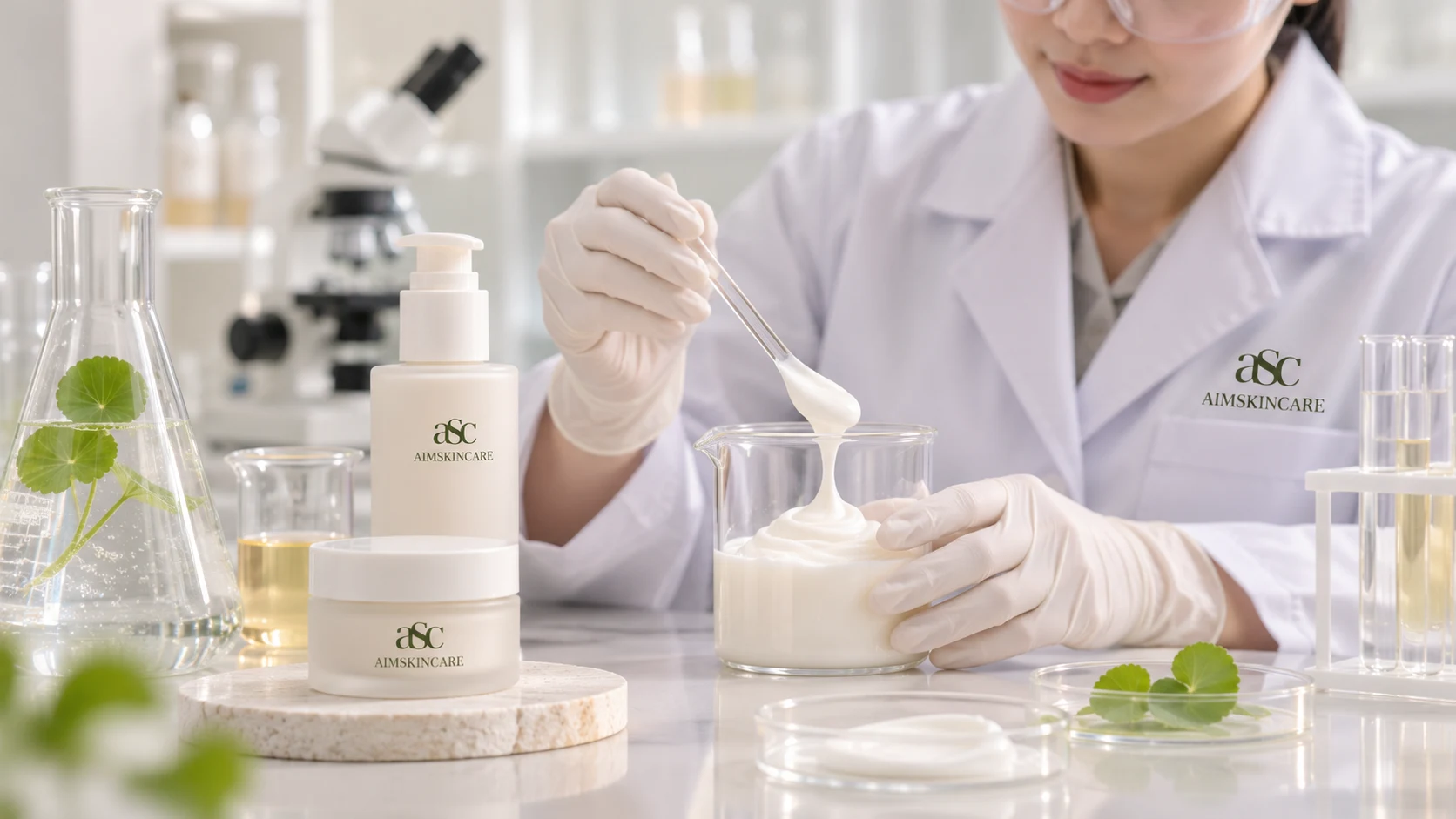
R&D laboratory
Where formulas are developed and samples made before production.
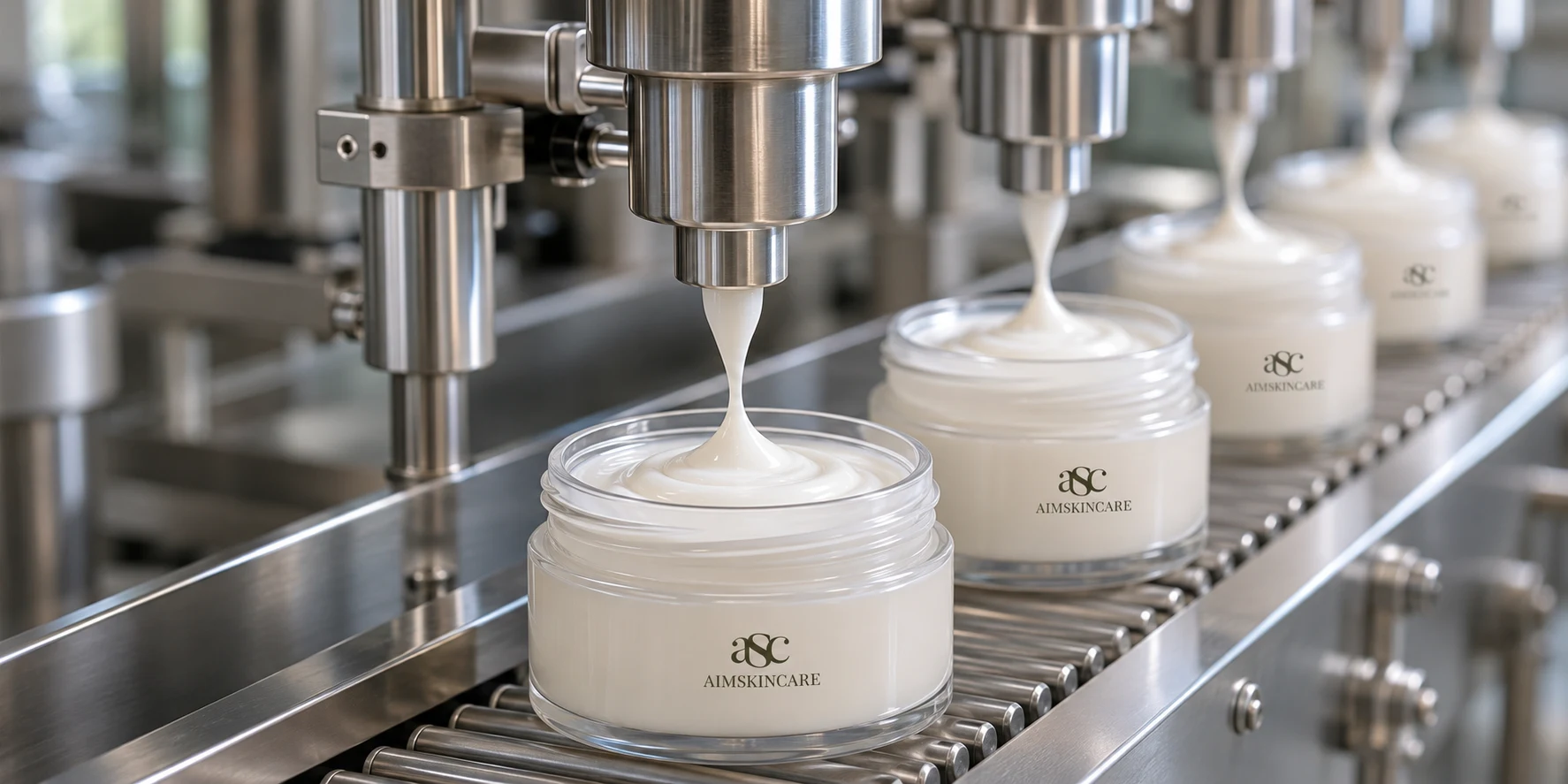
Production area
Mixing, filling, and packing to CPKB standards.
Quality control
Checks on raw materials and finished goods in every batch.

Scroll sideways to see other areas.
Questions about skincare contract manufacturing
What is skincare contract manufacturing?
A cosmetics manufacturer develops, tests, and produces facial care products, and you sell them under your own brand. AIMSKINCARE handles the formula, stability testing, packaging, BPOM notification, and halal certification. You decide who the product is for, what it promises, how it is priced, and where it is sold.
Which skincare products can AIMSKINCARE make?
For cleansing we make facial wash, milk cleanser, exfoliating cleanser, micellar water, cleansing oil, makeup remover, and face scrub. For treatment we make toner, essence, exfoliator, acne and spot treatment, and serums for brightening, vitamin C, anti-aging, hydration, and the eye area. Moisturizer, day and night cream, eye cream, sunscreen, face mask, and overnight mask complete the range.
What is particular about formulating skincare for the face?
Facial skin shows a mistake quickly, so the formula starts from the skin type and the one job the product has. Each active works within its own pH range and can clash with another. A serum has to stay clear and stable in tropical heat, and the texture has to sit well under sunscreen and makeup.
Which active ingredients can go into a skincare formula?
Niacinamide, vitamin C derivatives, retinol, hyaluronic acid, ceramide, centella asiatica, panthenol, peptides, salicylic acid, and AHA or PHA are the ones brands ask for most. The R&D team proposes a concentration that the formula can keep stable and that the regulation allows, then confirms it on samples before anything is printed on the label.
What limits apply to exfoliating acids and brightening ingredients?
Salicylic acid is allowed up to 2 percent in leave-on products and 3 percent in rinse-off products, and AHA up to 10 percent at a pH not below 3.5. Hydroquinone and mercury are prohibited in cosmetics. Permitted ingredients follow BPOM Regulation No. 23 of 2019 as amended by No. 17 of 2022, and every formula is checked against it.
Which skincare claims need testing?
"Brightening" needs skin tone measurements on a panel, and "hydrating for 24 hours" needs corneometer readings over that time. "Non-comedogenic" and "dermatologically tested" each need their own study under a dermatologist. Under BPOM Regulation No. 3 of 2022, a claim stays on the label only when data supports it.
What does a sunscreen or day cream need before it can state SPF?
Any SPF value on the label needs in vivo testing under ISO 24444, and a PA rating needs a UVA test under ISO 24443. That applies to a day cream or a moisturizer with SPF as much as to a sunscreen. The UV filters themselves must come from the list BPOM permits, within its limits.
Can an acne product say that it removes acne?
No. A cosmetic may say it helps care for acne-prone skin or helps reduce the look of blemishes. It may not say it treats, cures, or removes acne. Acne treatment and spot treatment are built on salicylic acid, niacinamide, zinc PCA, centella, or tea tree, and the label wording is reviewed before printing.
How is a vitamin C serum kept stable in a tropical climate?
Pure L-ascorbic acid oxidizes in water, heat, and light, and the serum turns yellow, then brown. Many brands therefore choose a derivative such as sodium ascorbyl phosphate, ascorbyl glucoside, or ethyl ascorbic acid, in an amber dropper or an airless pump. Stability testing at raised temperature shows how the color and the pH hold before launch.
Does skincare need BPOM notification and a halal certificate before sale?
Both. Every cosmetic must be notified at BPOM before it goes on sale. Since 17 October 2026, when the phase-in under Government Regulation No. 42 of 2024 ended, cosmetics sold in Indonesia must also be halal certified. AIMSKINCARE prepares the two files together, from the same formula and raw material documents.
Which packaging suits skincare products?
An airless pump or an opaque bottle for serums with retinol or vitamin C, since air and light break them down. A dropper suits oil serums and essences, a tube suits facial wash and sunscreen, and a jar suits richer creams and overnight masks. Each material is tested with the formula before production.
Which products should a new skincare brand launch first?
Most new brands start with three products that make a routine, usually a facial wash, a moisturizer, and a sunscreen, or with a single serum that has one clear promise. Toner, exfoliator, and eye care tend to follow once the first buyers come back. A short range is easier to explain and easier to keep in stock.
What is the difference between OEM and ODM for a skincare brand?
With ODM, the AIMSKINCARE R&D team builds a formula from your brief, covering skin type, actives, texture, and claims. With OEM, or private label, you choose a skincare base we already make, then adjust the scent, the color, or the packaging. The second route asks for less preparation.
Why do brands choose AIMSKINCARE for skincare?
Because the formula, the tests, and the paperwork sit with one team. AIMSKINCARE has been a contract manufacturer since 2017, part of AIM Group, with its own R&D lab, CPKB and Halal certification, and quality checks on every batch. Years of gentle mom and baby formulas carry into products for sensitive skin. More than 80 brands have worked with us.
What should a brand prepare before the first consultation?
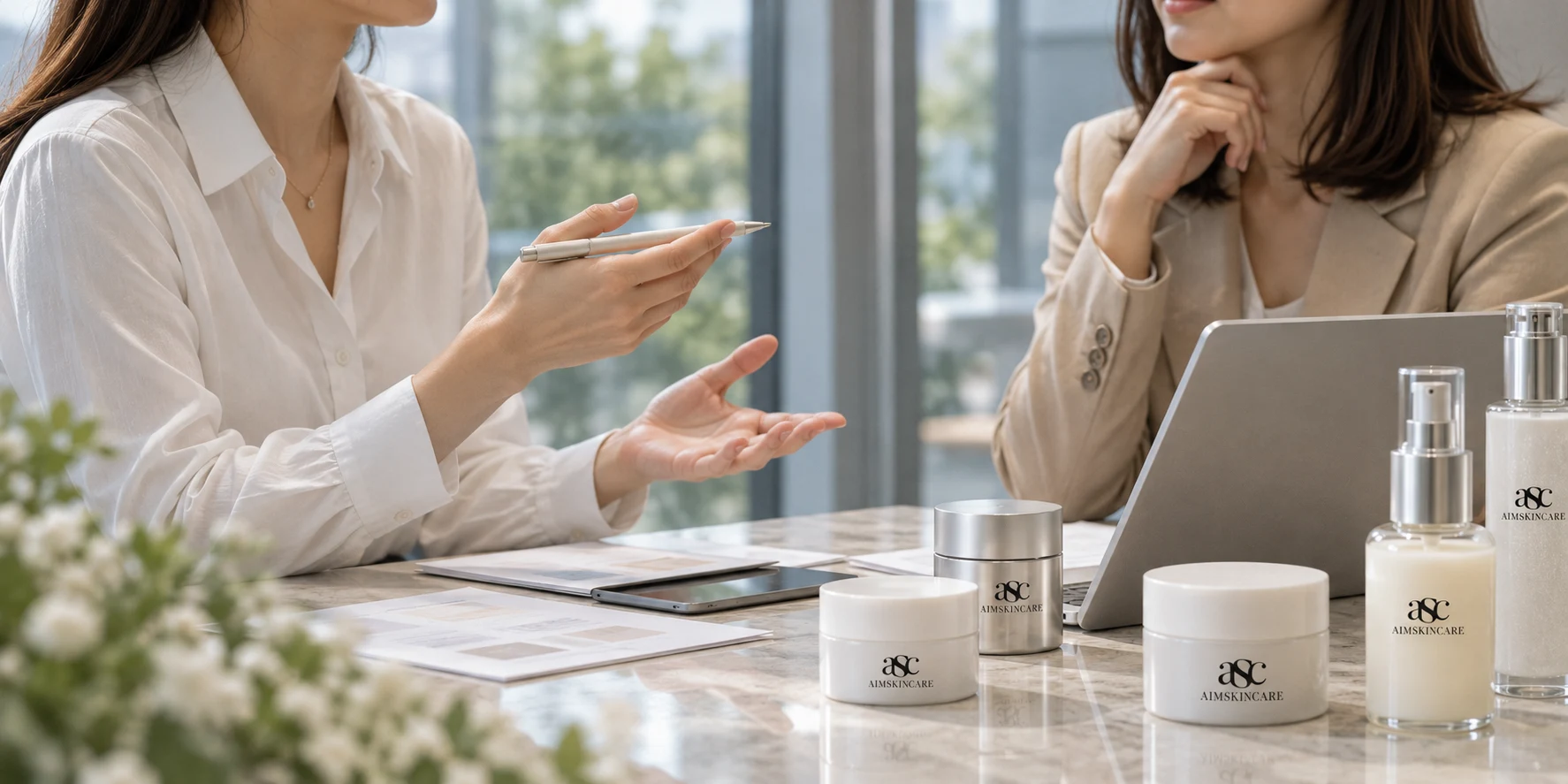
The products you want, the skin type and age of your buyer, the actives or a reference product you have in mind, the texture and scent, the claims you hope to print, and a rough quantity. The first consultation is free, and the samples are developed from that brief.
Further reading
Exosome: Science or Marketing?
Few ingredients have generated as much excitement in recent years as exosomes. They appear in premium serums, post-treatment skincare, scalp care, and anti-aging products, often accompanied by bold claims about skin regeneration and cellular communication.
By Priskila Samelia4 min read
Mouthwash Contract Manufacturing - An Attractive Business Opportunity for Your Brand
Contract manufacturing is a strategic solution for brands that want to launch a mouthwash product without handling the entire production process. Aimskincare offers maklon services covering consultation, formula development, production, and packaging.
5 min read
Perfume-Making Tips for Beginners with Aimskincare Contract Manufacturing
Perfume has been an important part of human life for centuries, serving not only to give a pleasant scent but also to boost confidence and create a certain impression on others.
By Administrator5 min read
Ready to build your skincare brand?
Tell us which products you want to launch, the skin type they are for, and a rough quantity. The AIMSKINCARE team replies with a proposed formula direction and the next steps. The first consultation is free.