What is hydrating serum contract manufacturing?
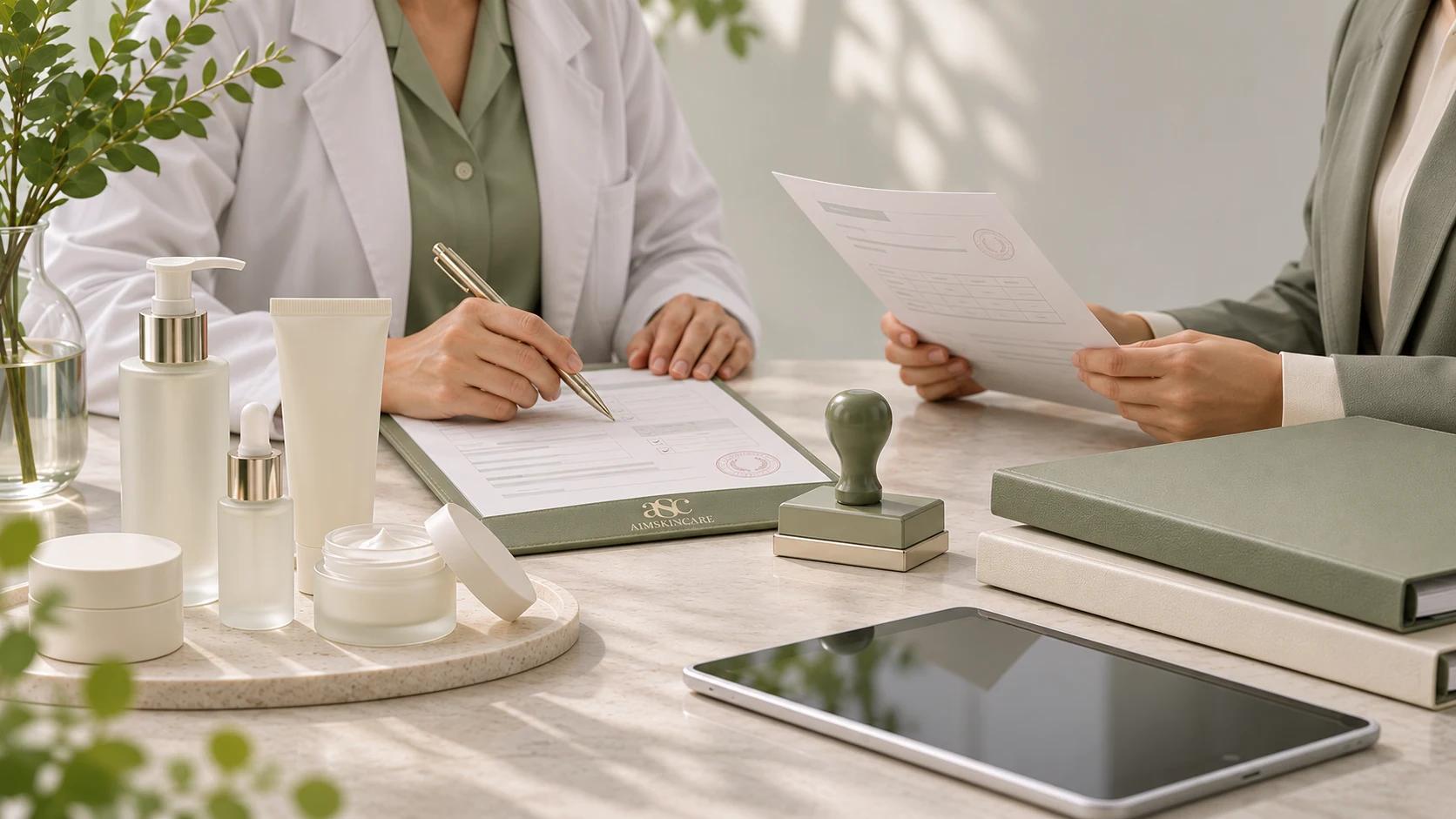
A cosmetics plant develops, tests, fills, and notifies at BPOM a water-binding serum sold under your brand. The plant designs the humectant system and proves the hydration claim; the brand sets the name, the look, and the price. It is the most common first serum a new skincare brand launches.
What does a hydrating serum do that a moisturizer does not?
A hydrating serum delivers water-binding ingredients in a light, fast-absorbing base and does little to seal them in. A moisturizer is an emulsion whose oils and occlusives slow water loss from the skin. The serum goes on first and the moisturizer locks it in; oily skin in a humid climate sometimes uses the serum alone.
Which humectants are used in a hydrating serum?
Hyaluronic acid in several molecular weights is the headline. Glycerin remains the most reliable humectant and is in nearly every formula. Panthenol, betaine, trehalose, polyglutamic acid, and sodium PCA each add a different hold or feel. A small amount of squalane or a ceramide helps the serum perform in dry, cooled air.
Why do brands use several molecular weights of hyaluronic acid?
Because each size does a different job. High-molecular hyaluronic acid stays on the surface, smooths, and gives the serum its slip. Medium weights hydrate the upper skin layers. Low-molecular and oligo fragments penetrate a little further and give the plumped look. A stack of two or three weights covers all three and supports a multi-layer hydration claim.
Does a hydrating serum work in an air-conditioned room?
Yes, if it is designed for it. Humectants pull water toward the skin, and in dry air they have less to pull from, so a serum made only of humectants can leave the skin feeling tight after an hour in the office. Adding a light emollient or a barrier lipid, or directing the user to follow with a moisturizer, solves it.
What is the difference between a hydrating serum and an essence?
Mostly concentration and texture. An essence is watery, is used right after toner, and carries lighter levels of humectants and soothing extracts. A hydrating serum is more concentrated, often slightly viscous, and comes in a smaller bottle. A brand can sell both as consecutive steps or make one product that sits between.
Is a hydrating serum suitable for oily skin?
Yes, and it is often the only hydration oily skin tolerates in a humid climate. The formula is oil-free, uses a watery or light gel texture, leaves out heavy emollients, and dries to a non-sticky finish. Niacinamide or zinc PCA can be added to pair hydration with oil control.
Which hydration claims can be printed, and what tests back them?
"Hydrates instantly" and "hydration for 24 or 72 hours" are measured with a corneometer on volunteers at set time points after a single application. "Helps support the skin barrier" uses TEWL measurement. "Plumps the look of skin" can use image analysis. Skin compatibility comes from a patch test. The duration printed is the duration measured.
Can soothing actives be added to a hydrating serum?
Yes, and the combination sells well. Centella asiatica extract, allantoin, panthenol, and bisabolol calm the look of redness, and a ceramide or beta-glucan supports the barrier. The serum stays light and fragrance-free, so it suits sensitive and post-procedure skin, provided the "for sensitive skin" claim is backed by a patch test.
Does a hydrating serum need halal certification in Indonesia?
Yes. Government Regulation No. 42 of 2024 ended the halal phase-in for cosmetics on 17 October 2026, so a hydrating serum on the Indonesian market must be halal certified or labelled non-halal. Hyaluronic acid and the other humectants are available in halal grades, and we prepare the halal file with the BPOM notification.
Why does viscosity decide the bottle for a hydrating serum?
Hyaluronic acid thickens water, and the more of the high-molecular grade a formula uses, the more it behaves like a gel. A watery serum flows well from a dropper; a gel can string and refuse to drop, so it moves to an airless or pump bottle. We fix the viscosity during sampling and test it in the intended bottle.
Can a hydrating serum be made fragrance-free for sensitive skin?
Yes, and most of the hydrating serums we make are. A serum of humectants and soothing extracts has no odor to mask, so fragrance is purely a marketing choice. Leaving it out, with no denatured alcohol and a mild preservative system, is the simplest route to a serum that passes its patch test cleanly.
What is the difference between OEM and ODM for a hydrating serum?
ODM means our R&D composes the humectant stack, texture, and claim study from your brief. OEM, or private label, means you start from a hydrating base we already produce and adjust the viscosity, scent, or bottle. Because hydrating bases are well established, OEM is a fast way to a first product.
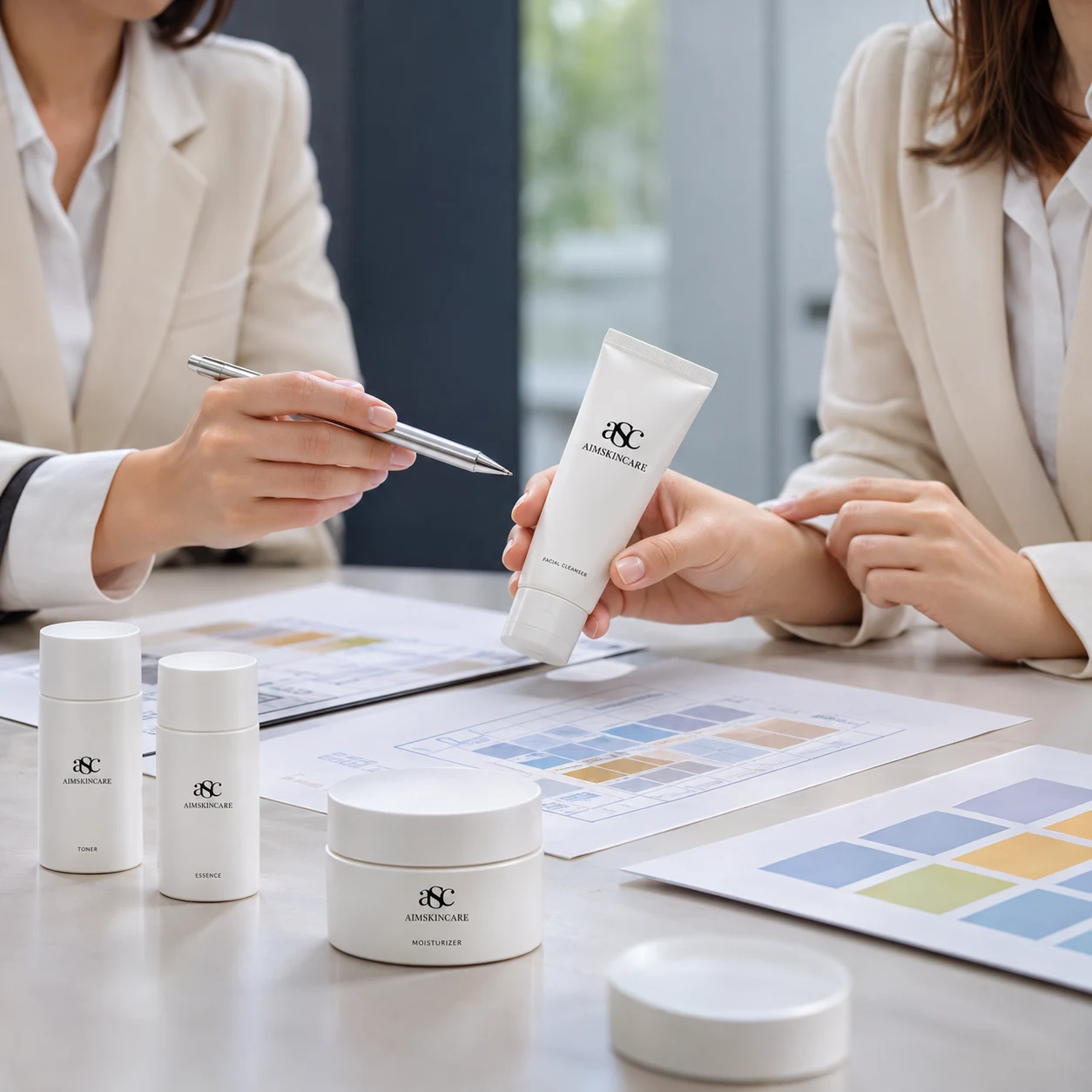
What should a brand prepare before the first hydrating serum consultation?
The skin type and climate of your user (humid city, air-conditioned office, dry highland), the texture you want (watery, gel, milky), the actives you would like to name on the front, the hydration claim you hope to print, your packaging idea, a selling price range, and a rough quantity.