What is facial wash contract manufacturing?
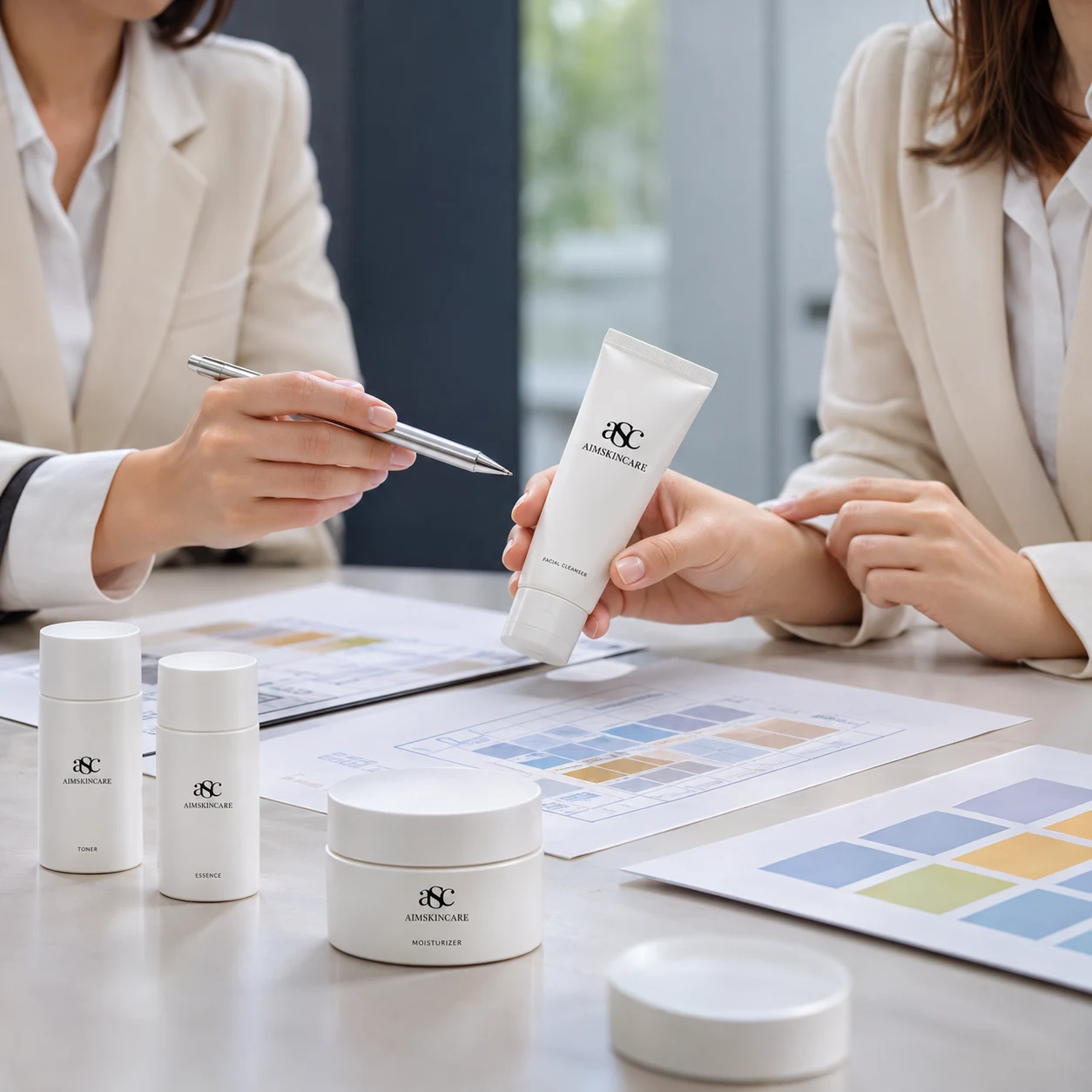
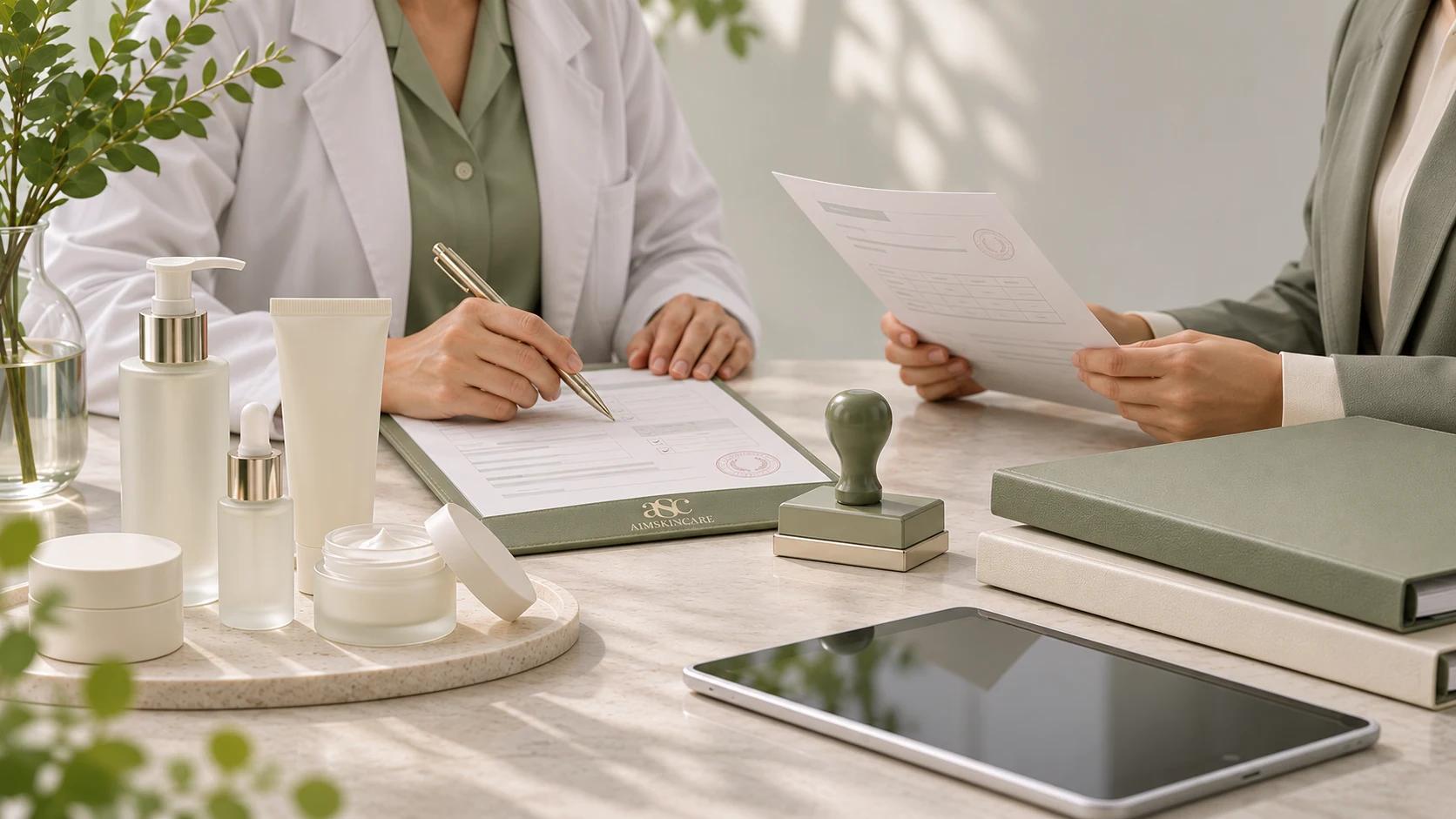
A cosmetics plant formulates, tests, fills, and notifies at BPOM a facial cleanser that is sold under your brand. You decide who it is for, how it is positioned, and what it costs; the plant handles the formula, the production, and the documents.
Which types of facial wash can be made under private label?
Clear gel for oily and combination skin, cream or milky wash for dry skin, low-foam gentle cleanser for sensitive skin, self-foaming liquid for a foam pump, and scrub or acne variants with exfoliating particles or salicylic acid. Each is a different base, so the type is fixed before scent and color.
Which surfactants are used in a facial wash, and how do they differ?
SLES gives abundant foam at a low cost. Cocamidopropyl betaine softens it and adds creaminess. Amino acid surfactants such as sodium cocoyl glycinate or sodium lauroyl glutamate are milder and leave a moist feel. Glucosides are the mildest and foam least. Most formulas blend two or three to balance foam, mildness, and cost.
Can a facial wash be made sulfate-free?
Yes. A sulfate-free wash is built on amino acid surfactants, betaines, or glucosides. It is milder and usually costs more per unit, and the foam is finer rather than big. "Sulfate-free" is a statement about the formula, so it must be true of every ingredient, including the raw material blends.
What pH should a facial wash have?
Skin sits at around pH 5, so most modern cleansers are formulated between 5 and 6.5. Soap-based washes are alkaline, around pH 9 to 10, and give the squeaky-clean feel some users like but dry others out. The pH also limits which preservatives and actives will work, so it is set early.
What is the difference between a gel, a cream, and a foam facial wash?
A gel is clear, light, and rinses fast, which suits oily skin. A cream wash is opaque and richer, with less foam, for dry or mature skin. A foam wash is a thin liquid that turns to foam in the pump, so it needs low viscosity and a foam pump bottle rather than a tube.
Can you make a facial wash for acne-prone skin?
Yes. The usual route is a gel wash with salicylic acid, allowed up to 3 percent in rinse-off products, often with zinc PCA or tea tree. The wording stays cosmetic: "helps care for acne-prone skin" is acceptable, "cures acne" is not.
Can a facial wash be made for sensitive skin or without fragrance?
Yes. These formulas use mild surfactants at a low level, a skin-close pH, and no fragrance or colorant. To print "for sensitive skin" or "hypoallergenic", the finished formula goes through a patch test first. Our work on baby washes carries directly into this kind of brief.
Which claims on a facial wash need testing?
"Dermatologically tested" needs a patch test under a dermatologist. "Does not dry the skin" is supported by hydration measurements after washing. "Oil control" needs sebum measurements. "pH balanced" is shown by the pH of the finished product. Under BPOM Regulation No. 3 of 2022 every claim on the label needs data behind it.
Which packaging is available for facial wash?
A tube is the most common and the cheapest, and suits gels and creams. A pump bottle fits larger sizes for the bathroom shelf. A foam pump is required for self-foaming liquids. A flip-top bottle is the economical choice for big volumes. The viscosity is matched to the container during sampling.
What is the difference between a facial wash and a milk cleanser?
A facial wash is a surfactant product that foams and is rinsed with water, used as the daily wash or the second step of double cleansing. A milk cleanser is an emulsion that dissolves makeup and sunscreen with little or no foam and can be wiped off. Many brands launch both as a pair.
Does a facial wash sold in Indonesia need a halal certificate?
Yes. The halal phase-in for cosmetics under Government Regulation No. 42 of 2024 ended on 17 October 2026, so a facial wash must be halal certified or carry a non-halal statement. For a cleanser the points checked most are the origin of the surfactants and glycerin. We prepare the file with the BPOM notification.
What is the difference between OEM and ODM for a facial wash?
ODM develops a new formula from your brief: surfactant system, foam, pH, actives, and scent. OEM, or private label, starts from a cleanser base we already make and changes the scent, color, or packaging, which shortens the preparation.
What should a brand prepare before a facial wash consultation?
The skin type and age of the user, the foam and after-feel you want, a reference product if you have one, the scent direction, the pack size and type, the claims you hope to print, and a rough quantity. With those we can propose bases and make the first samples.