What is sunscreen contract manufacturing?
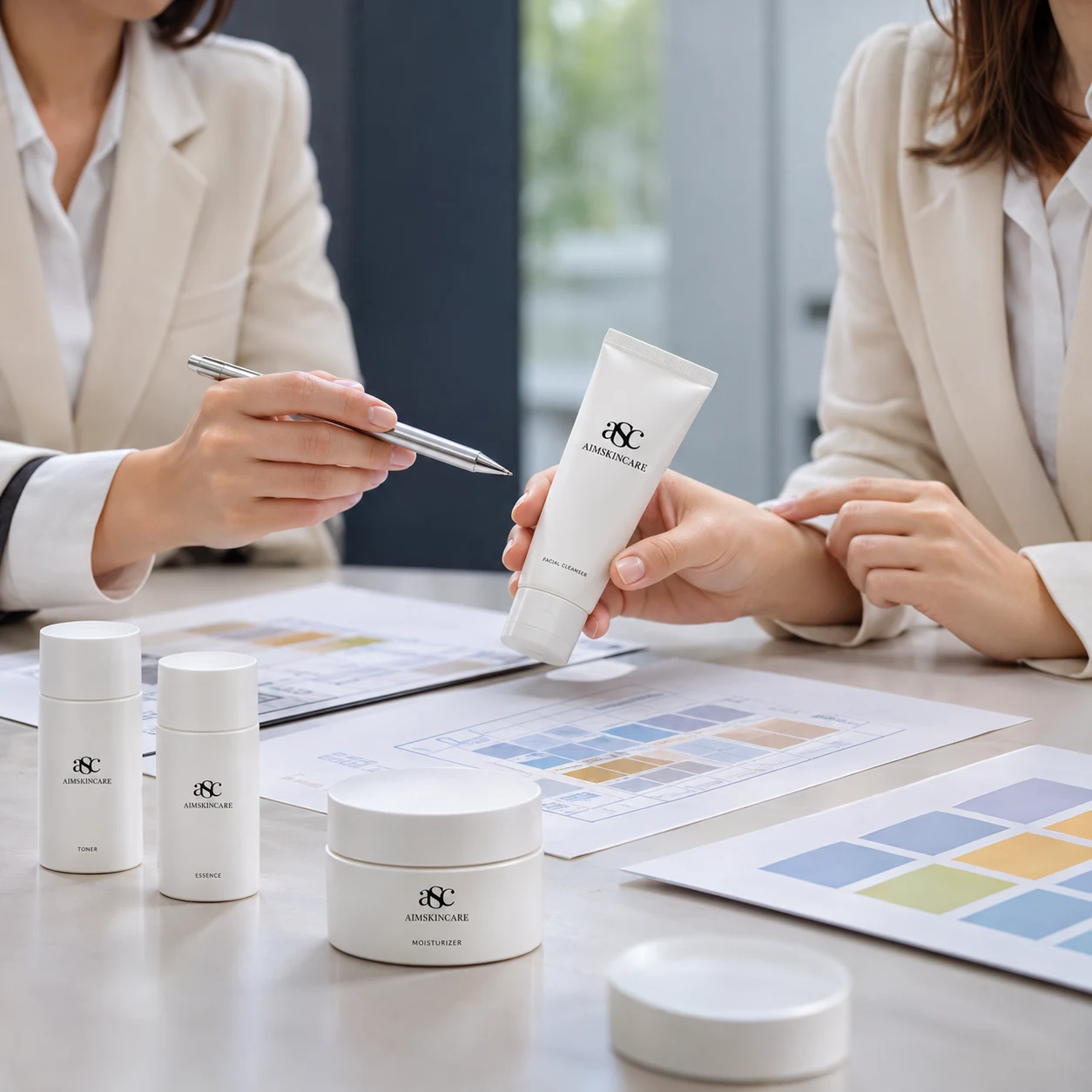
A cosmetics plant makes a sun protection product for your brand: formula, SPF testing, packaging, and BPOM notification, with the product sold under your name. You decide the positioning and the price; the plant handles the making and the paperwork.
Does a sunscreen have to be SPF tested before it can be sold?
Yes, if the label states an SPF value. BPOM assesses the SPF from in vivo test data, commonly by the ISO 24444 method, so the finished formula is sent to a testing laboratory before notification. The result, not the brief, decides the number on the pack.
What does PA+ to PA++++ mean, and does it need its own test?
PA is the UVA protection grade. PA+ corresponds to a UVA protection factor of 2 to 4, PA++ to 4 to 8, PA+++ to 8 to 16, and PA++++ to 16 or more. It is measured by a UVA test such as ISO 24443, separate from the SPF test.
Which sunscreen formats can be made under private label?
Cream for normal to dry skin, water-based gel for oily skin and a tropical climate, lotion or fluid for face and body, a near-transparent sunscreen serum for wearing under makeup, and tinted sunscreen as a light base. Stick and spray formats are assessed case by case at the consultation.
Chemical, mineral, or hybrid filter: which should a brand choose?
Chemical filters such as avobenzone, octocrylene, or bemotrizinol absorb UV and keep the texture light and clear. Mineral filters, zinc oxide and titanium dioxide, reflect UV, tend to suit sensitive skin, and can leave a white cast. Hybrid formulas combine both to balance feel, protection, and finish. The right choice follows the target user.
How is white cast avoided in a sunscreen?
By the filter choice first: chemical or hybrid systems leave little or none. Where mineral filters are wanted, micronised grades, a lower level of zinc oxide offset by chemical filters, or a light tint all reduce the cast. We check the result on several skin tones during sampling.
Which claims need testing on a sunscreen, apart from SPF?
"Water resistant" needs a water resistance test, ISO 16217 being the usual reference. "Non-comedogenic" and "for sensitive skin" need clinical or patch test data. Absolute wording such as "total protection" or "sunblock" is not allowed, because no sunscreen filters all UV.
Can you make a sunscreen for oily or acne-prone skin?
Yes. A gel or fluid with a matte finish and a light filter system is the usual starting point, often with niacinamide or zinc in the formula. If you want to print "non-comedogenic", the claim needs its own clinical test.
Can a sunscreen be made for children or very sensitive skin?
Yes. These formulas usually lean on mineral filters, leave out fragrance, and are patch tested. A sunscreen for children under three falls under stricter ingredient rules and needs a safety assessment, which we plan for from the first sample.
Which regulations apply to sunscreen in Indonesia?
Permitted UV filters and their maximum levels follow BPOM Regulation No. 23 of 2019 as amended by No. 17 of 2022. Claims follow No. 3 of 2022, labelling and advertising No. 18 of 2024, which also sets the directions and warnings on a sunscreen label. Halal certification is mandatory for cosmetics sold in Indonesia.
Which packaging suits sunscreen?
A tube is the most common and the most economical. A pump bottle suits fluids and lotions, an airless bottle protects filters that are sensitive to air and light, and a dropper fits a sunscreen serum. The texture is settled first, then the container is matched to it.
Why does a higher SPF change the texture and the cost?
A higher SPF generally needs a higher filter load, and filters are the most expensive part of the formula. More filter also makes the product heavier or greasier unless the base is reworked. Target SPF, finish, and selling price are therefore settled together at the first consultation.
What is the difference between OEM and ODM sunscreen?
With ODM the formula is developed from your brief: target SPF and PA, texture, finish, and user. With OEM, or private label, you start from an existing base formula and adjust scent, tint, or packaging, so the preparation is shorter.
What should a brand prepare before the first sunscreen consultation?
The target SPF and PA, the skin type and user you have in mind, the feel you want (matte, dewy, invisible, tinted), a selling price range, a rough quantity per variant, and the claims you hope to print. From those we propose filter systems and make the first samples.