What is moisturizer contract manufacturing?
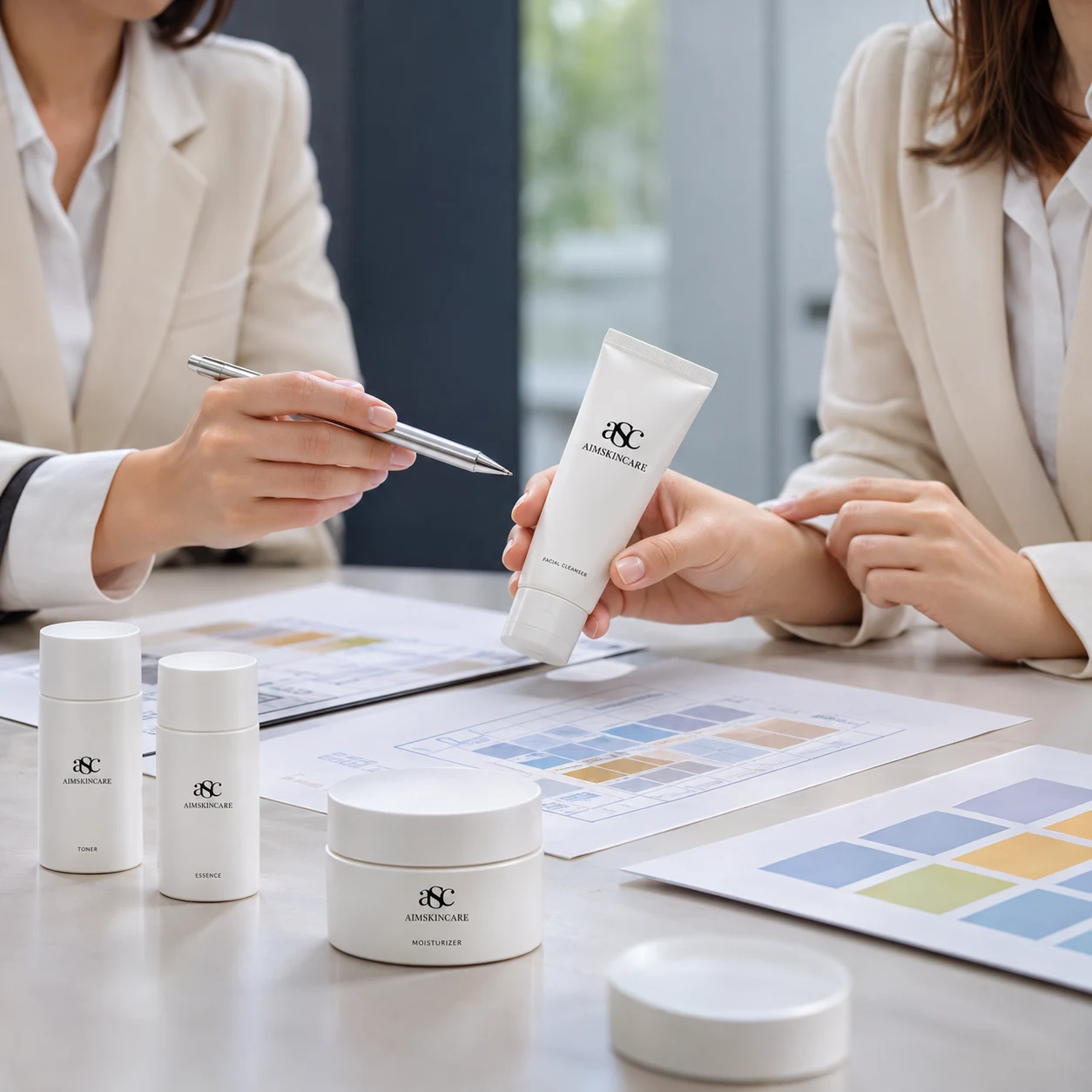
A cosmetics plant formulates, tests, fills, and supports the BPOM notification of a moisturizer that is sold under your brand. You own the positioning and the price; the plant is responsible for the formula, the batch quality, and the documents.
What is the difference between a gel, a gel cream, and a cream moisturizer?
A gel is water based, the lightest, and suits oily skin. A cream is an emulsion with more oil, richer, and suits dry skin. A gel cream sits between them: light on application yet still moisturizing, which makes it the usual choice for combination skin and a humid climate.
Which moisturizer textures sell best in a tropical climate?
Water gels and gel creams, because they absorb quickly and do not feel sticky in heat and humidity. Rich creams still have a place for dry skin, night use, and air-conditioned rooms. Many brands launch a light day version and a richer night version from related formulas.
Which active ingredients are common in a moisturizer?
Ceramides, cholesterol, and fatty acids for the skin barrier. Hyaluronic acid, glycerin, and panthenol for hydration. Niacinamide for tone and oil balance. Centella asiatica and allantoin for soothing. Squalane and shea butter as emollients. The base texture is settled first, then actives that are stable in it are chosen.
Can you make a moisturizer for oily or acne-prone skin?
Yes. The usual answer is an oil-free or low-oil gel with niacinamide, zinc PCA, or a little salicylic acid and a matte finish. If you want "non-comedogenic" on the label, the finished formula needs its own clinical test for that claim.
What is a barrier repair moisturizer, and how is the claim supported?
It is a moisturizer built around ceramides, cholesterol, and fatty acids, the same lipids the skin barrier is made of. A claim such as "helps strengthen the skin barrier" is supported by TEWL measurements, which show how much water the skin loses before and after several weeks of use.
Which moisturizer claims need testing?
"Moisturizes for 24 hours" needs corneometer hydration readings over that period. "Strengthens the barrier" needs TEWL data. "Non-comedogenic" needs a clinical test. "For sensitive skin" and "hypoallergenic" need a patch test. Under BPOM Regulation No. 3 of 2022, a claim without supporting data cannot go on the label.
What is the difference between a moisturizer and a day cream or night cream?
A moisturizer is the general product, usable morning and night. A day cream is a moisturizer tuned for daytime, lighter, friendly to makeup, sometimes with SPF. A night cream is richer and carries actives that are better used away from daylight, such as retinol.
Can a moisturizer carry SPF?
Yes, but it then follows sunscreen rules. The SPF value must be supported by an in vivo test, the UV filters must come from the list BPOM permits, and the texture becomes heavier as the filter load rises. Many brands keep the moisturizer and the sunscreen as two products for that reason.
Can a moisturizer be made fragrance-free or for sensitive skin?
Yes. A sensitive-skin moisturizer leaves out fragrance, colorant, and drying alcohol, keeps the ingredient list short, and is patch tested before the claim is printed. Raw materials have their own odor, so a fragrance-free cream is assessed for scent during sampling too.
Why does a cream separate, and how is stability tested?
A cream is oil and water held together by emulsifiers, and heat, cold, or a wrong ratio can pull them apart. Before production the formula is stored at high and low temperatures, cycled between them, and centrifuged, while viscosity, pH, color, and scent are tracked. Only a formula that holds goes to the notification.
Which packaging suits a moisturizer?
A jar suits thick creams and gives a generous look, though the product meets air and fingers. A tube is hygienic and economical for gels and lotions. An airless pump protects sensitive actives such as retinol or vitamin C derivatives and dispenses nearly all of the product.
What is the difference between OEM and ODM for a moisturizer?
ODM develops a formula from your brief, including the texture, the actives, and the claims you want to support. OEM, or private label, starts from a moisturizer base we already produce and adjusts the scent, the actives, or the packaging, so samples are ready sooner.
What should a brand prepare before a moisturizer consultation?
The skin type and age of the user, the texture and finish you want, a reference product if there is one, the actives or story you plan to sell, the packaging and size, the claims you hope to print, and a rough quantity per variant.