What is multi-purpose baby cream contract manufacturing?
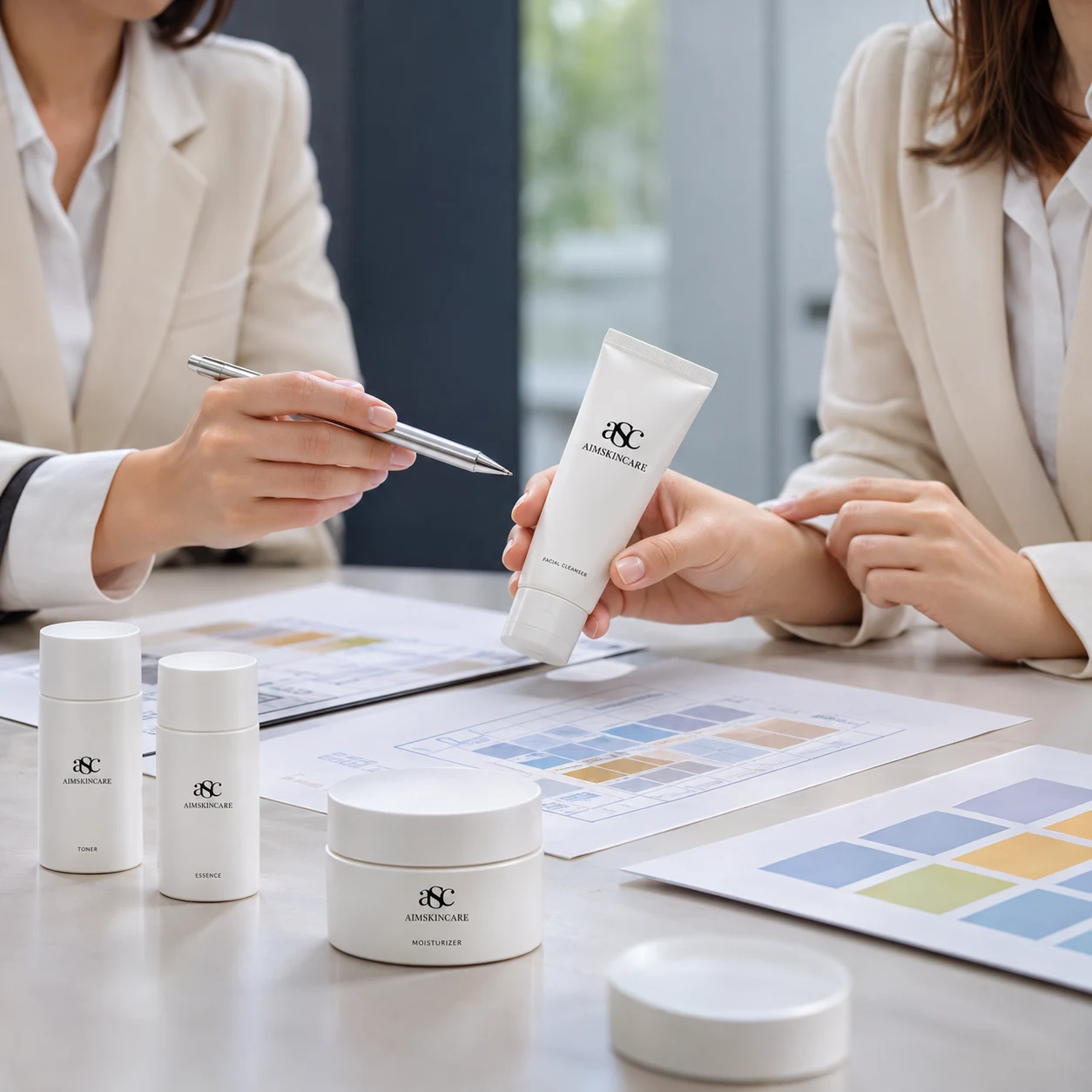
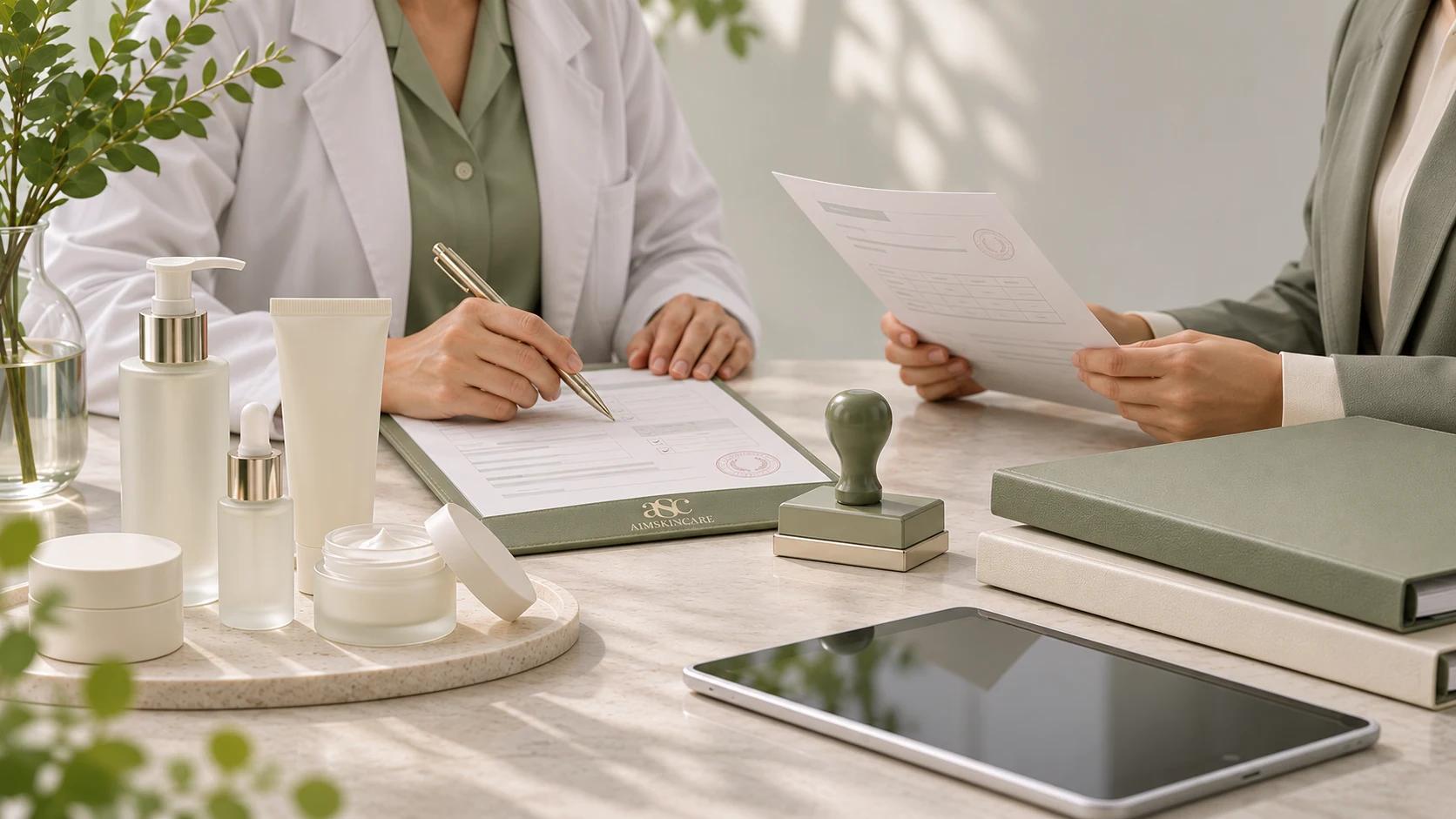
A cosmetics manufacturer develops and produces one cream or balm that a parent can use on several parts of a baby’s skin, and you sell it under your own brand. AIMSKINCARE handles the formula, the safety and stability tests, packaging, and the BPOM notification, and you set the positioning and price.
Which uses can a multi-purpose baby cream claim?
Common ones are dry cheeks, elbows, knees, heels, dry patches on the body, and skin that meets wind or air conditioning. Each use on the label is a claim, so it has to be covered by the safety assessment and, where the wording promises a result, by an in-use test. A short, honest list sells better than a long one.
Should a multi-purpose baby cream be a balm or a cream?
A water-free balm is richer, stays on longer, and needs less preservation, which suits dry patches and cold rooms. An emulsion cream is lighter and spreads further, which suits larger areas in hot weather. Some brands launch the balm first and add the cream as a lighter sister product.
Which ingredients go into a multi-purpose baby balm?
Shea butter and plant oils such as sunflower or coconut oil for softness, beeswax or candelilla wax for structure, lanolin for staying power on dry skin, and sometimes petrolatum. Vitamin E helps protect the oils from going rancid. Calendula oil is a popular addition, kept low because it is a plant extract.
Can a multi-purpose baby cream be petrolatum-free or vegan?
Yes. Petrolatum can be replaced with plant butters and oils, and beeswax with candelilla wax for a vegan balm, though the texture changes and has to be tuned. Every "free from" statement is confirmed from supplier documents for each raw material before it goes on the label.
Why does a baby balm melt or turn grainy?
A balm softens when the room is warmer than its melting range, which is easy to reach in a car in Indonesia. Graininess comes from shea butter crystallizing slowly when the batch is cooled the wrong way. We set the wax ratio for the climate, control the cooling, and run stability tests at high temperature.
Can a multi-purpose baby cream be used on the lips or on a mother’s nipples?
Only if it was formulated for that. Cream on the lips or nipples gets swallowed, so the ingredients have to suit ingestion, the way a nipple balm uses food-grade lanolin or plant butters with no fragrance or flavor. If a brand wants that use, it is often cleaner to launch a separate nipple balm.
What is the difference between a multi-purpose baby cream and the other baby creams?
A multi-purpose cream is a rich all-rounder for spot use. A rash cream is a zinc oxide barrier for the diaper area and skin folds. A soothing baby cream is a daily body moisturizer with calming ingredients. A baby face cream is the lightest, made for use near the eyes and mouth. Each solves a different moment.
Which rules apply to a multi-purpose cream for children under three?
Products for children under three face stricter ingredient restrictions and need a safety assessment. Because a multi-purpose cream may go on the face and body, the assessment covers the most sensitive area the label names. Under BPOM Regulation No. 3 of 2022, each use printed on the label also needs supporting data.
Can the whole family use a multi-purpose baby cream?
Yes, and many brands say so on the pack, since parents end up using it on their own hands and heels. The formula is built and assessed for the youngest user, so adults are covered by default. The label then has to describe both groups clearly and keep every claim cosmetic.
Which packaging suits a multi-purpose baby cream?
A jar is the most common for a balm, because the texture is too firm to squeeze. A tube suits the emulsion cream and keeps fingers out. A stick suits a firm balm for cheeks, elbows, and knees on the go, and needs a wax ratio that holds its shape in heat.
Should I choose OEM or ODM for a multi-purpose baby cream?
OEM, or private label, suits a brand that wants a ready balm or cream base and will compete on packaging and scent. ODM suits a brand with a defined list of uses or a special texture, such as a vegan stick, which the AIMSKINCARE R&D team develops and tests from your brief.
What should I bring to the first multi-purpose cream consultation?
The list of areas you want on the label, balm or cream, whether you want petrolatum-free, vegan, or fragrance-free, the packaging type, the claims you hope to print, and a rough quantity. If you have a reference product, bring it, since texture is easier to show than to describe.