What is milk cleanser contract manufacturing?
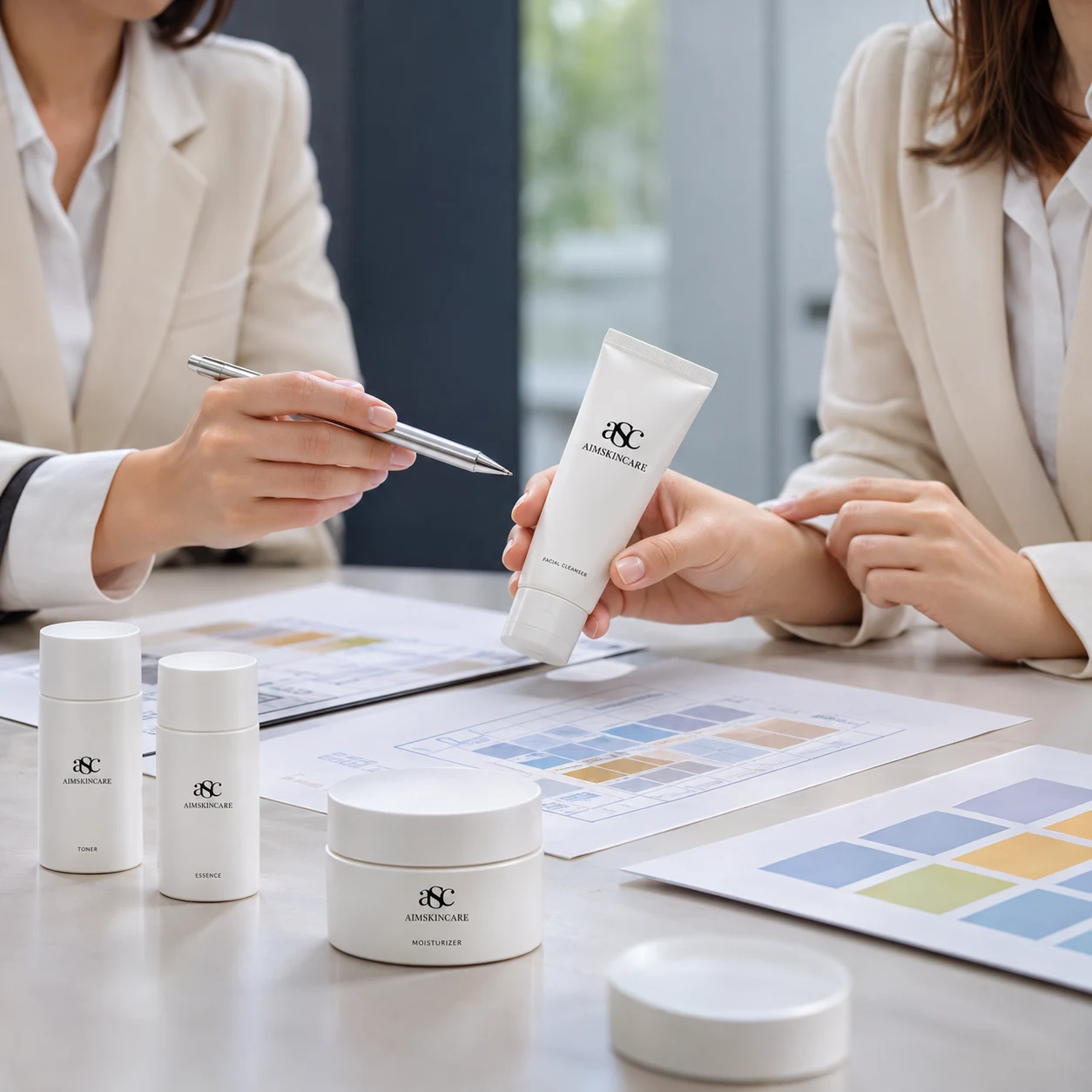
A cosmetics plant produces a cream-type cleanser, the kind applied to dry skin and wiped or rinsed off, for your brand. We formulate the emulsion, test its stability and skin tolerance, fill it into your packaging, and prepare the BPOM notification. You sell it under your own name.
What is the difference between a milk cleanser and a facial wash?
A facial wash cleans with surfactants and foam and is always rinsed. A milk cleanser cleans with an oil phase held in a cream and uses very little surfactant, so it removes makeup and sunscreen while leaving more of the skin's own oil behind. Dry, mature, and sensitive skin usually prefer the milk; oily skin prefers the wash, or uses both as a double cleanse.
Milk cleanser or micellar water: which should a brand launch first?
Micellar water is a clear, water-based liquid for light makeup and quick removal; a milk cleanser is a cream that handles heavier makeup, sunscreen, and dry skin. Brands aimed at a younger, oilier customer tend to start with micellar water. Brands aimed at dry or mature skin, or at a classic cleanser-and-toner set, start with the milk.
Should a milk cleanser be wipe-off or rinse-off?
Wipe-off is the traditional format: apply, massage, remove with cotton, follow with toner. It suits dry skin and a two-step routine. Rinse-off carries slightly more emulsifier so the residue leaves with water, which suits humid weather and users who dislike a film. Many brands label theirs for both and let the user decide.
Which ingredients go into a milk cleanser?
An oil phase (caprylic/capric triglyceride, isopropyl myristate, sunflower or mineral oil) does the cleaning. Emulsifiers such as glyceryl stearate with PEG-100 stearate or cetearyl alcohol with ceteareth-20 hold the milk together. Glycerin keeps it from feeling tight, and allantoin or bisabolol adds a soothing note. A gum or carbomer sets the thickness.
Can a milk cleanser be made for oily or combination skin?
Yes. The oil phase is built from light esters rather than heavy plant oils, the emulsifier level is raised so it rinses clean, and the thickness is kept to a lotion. Niacinamide or zinc PCA can be added for an oil control positioning. Such a version is usually labelled rinse-off.
Why does a milk cleanser separate, and how do you prevent it?
Separation is an emulsion that has lost its balance: the wrong emulsifier pairing for the oils chosen, too little thickener, or a fragrance that upset the system. We match the emulsifier blend to the oil phase, set the viscosity with a gum or carbomer, and confirm the result with freeze-thaw cycles and three months at 45 °C before approving the formula.
Which claims can a milk cleanser carry, and what evidence does each need?
"Removes makeup and sunscreen" is shown by a removal test on standardized makeup. "Does not leave skin tight" and "hydrating" need an instrumental hydration reading after use. "Dermatologically tested" and "suitable for sensitive skin" need a patch test on volunteers. Claims follow BPOM Regulation No. 3 of 2022 and must stay cosmetic.
Can the milk cleanser be fragrance-free for sensitive skin?
Yes, and we recommend it when the target user has sensitive skin: fragrance is the most common cause of a tingling or red reaction in a cleanser that stays on the face for a minute. A fragrance-free milk with a mild emulsifier, no essential oils, and a patch test behind it is a reliable base.
Does a milk cleanser need halal certification in Indonesia?
Yes. Cosmetics fall under mandatory halal certification; the phase-in under Government Regulation No. 42 of 2024 ended on 17 October 2026, so a milk cleanser sold in Indonesia must be certified or labelled non-halal. The oils and emulsifiers in our cleansing milks have halal-certified sources, and we prepare the halal file alongside the BPOM notification.
Which packaging suits a milk cleanser?
A pump bottle is the usual choice: the texture flows, and one press is one dose. A tube suits a thicker cream and travel sizes. A flip-top bottle is the economical option for a classic cleanser-and-toner set, and a jar works for a very rich cream applied with the fingers.
What is the difference between OEM and ODM for a milk cleanser?
With ODM we develop a new emulsion from your brief: the oils, the feel, the wipe or rinse behavior, the scent. With OEM, or private label, you take a cleansing milk base we already produce and adjust fragrance, thickness, or packaging, so sampling is shorter.
What should a brand prepare before the first milk cleanser consultation?
The skin type you are targeting, whether users will wipe or rinse, a reference texture you like, your stance on fragrance and on specific oils (mineral oil, for instance), the selling price range, a rough quantity, and the claims you hope to print. From these we propose two or three sample directions.