Understanding Cosmetic Contract Manufacturing and Its Benefits
Cosmetic contract manufacturing is a production service that helps companies offer beauty products without having to carry out production themselves.
What Is a Cosmetic Contract Manufacturing Service?
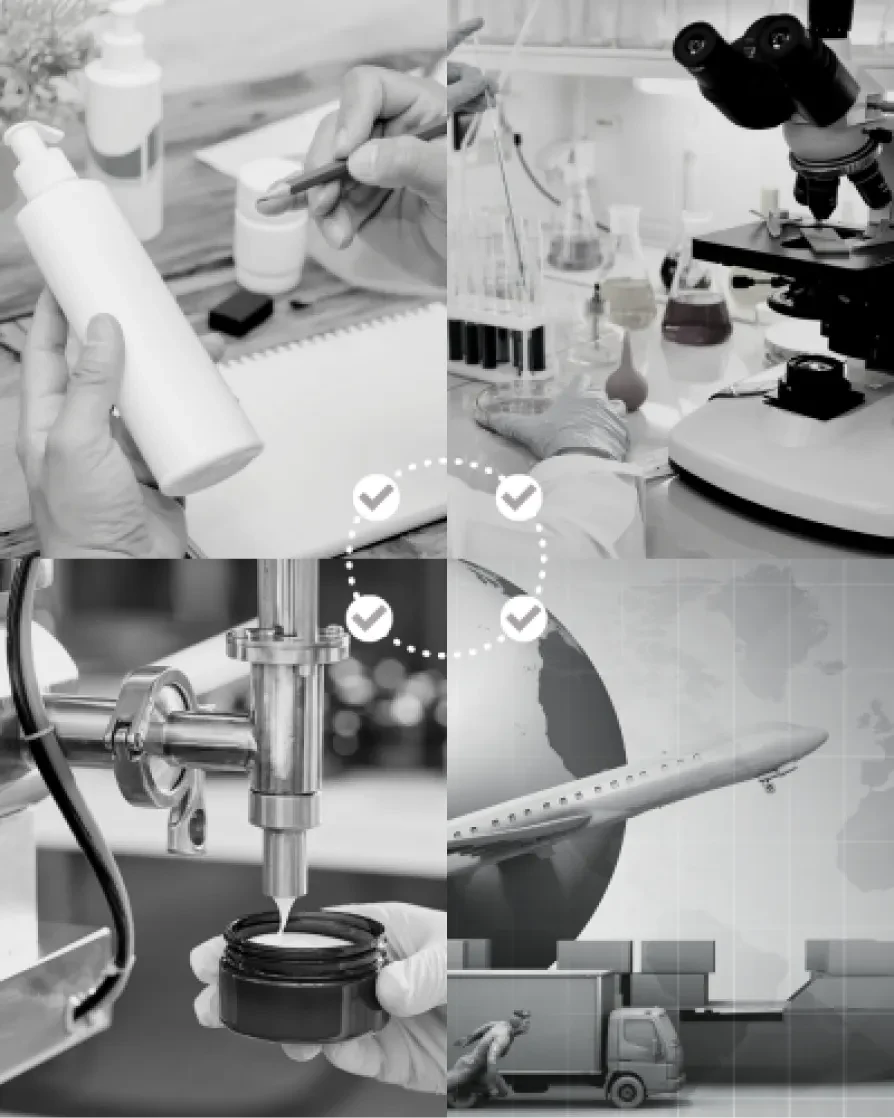
A cosmetic contract manufacturing (maklon) service refers to a service that provides production facilities for companies that want to launch cosmetic products without having to carry out the production process themselves. In this context, maklon means "producing for others". A cosmetic contract manufacturer helps with every stage, from formula development and packaging to labelling of the finished product. With this service, cosmetic companies can focus on marketing and selling their products, while the contract manufacturer handles the technical side of production.
Contract manufacturers are usually companies with experience in cosmetic formulation and production, with facilities that meet the quality standards and regulations in force. They have research and development laboratories to create innovative cosmetic formulations, as well as advanced machinery to produce products at scale. This is especially important for companies that want to maintain high quality across every production batch.
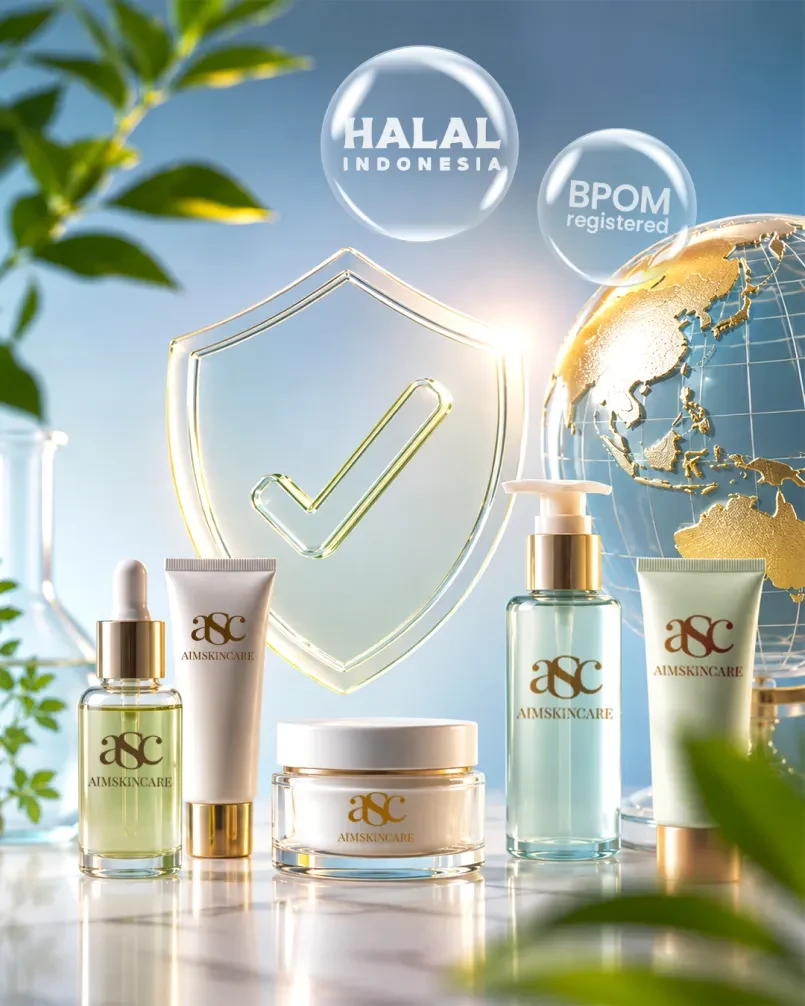
Most of the products made through cosmetic contract manufacturing cover a wide range of items, including but not limited to face creams, serums, soaps and hair care products. Contract manufacturing allows both new and established companies to expand their product variety without large investments in their own production infrastructure. By using this service, a brand can speed up the launch of new products and take advantage of fast-changing market trends.
Benefits of Using a Cosmetic Contract Manufacturing Service
Using a cosmetic contract manufacturing service brings a number of benefits for brands or entrepreneurs who want to enter the beauty industry. First and foremost, through this service, entrepreneurs can save significantly on production costs. Being able to use existing production facilities means a lower initial investment in equipment and infrastructure, which is often a barrier for new entrepreneurs. With lower costs, more funds can be allocated to marketing strategy and product development.
Next, a cosmetic contract manufacturing service gives entrepreneurs access to the latest technology and better industry knowledge. Contract manufacturers usually have experience and expertise in production processes, quality testing and industry regulations. This allows brands to develop products that not only meet quality standards but also fit market needs, without having to build all this expertise from scratch.
Going further, by using contract manufacturing, entrepreneurs can focus more on the marketing and brand development side of their business. The complex and time-consuming production process can be outsourced, allowing business owners to design more effective communication strategies and build stronger relationships with customers. This matters, especially in an era where consumer trust and brand loyalty largely determine a product's success.
Overall, using a cosmetic contract manufacturing service is not only about cost efficiency, but also about gaining a competitive edge through technology and more time focused on business development. All these benefits contribute to a brand's success in an increasingly competitive market.
The Partnership Process in Cosmetic Contract Manufacturing
A partnership in cosmetic contract manufacturing is an important step for companies that want to produce cosmetics with efficiency and high quality. The process begins with choosing the right contract manufacturing partner. At this stage, it is important for the company to research contract manufacturers that have a good reputation and experience in the cosmetics industry. Factors such as certifications, production capacity and product portfolio should be considered before making a decision.
After choosing a partner, the next stage is contract negotiation. In this phase, both parties discuss and agree on the terms and conditions related to production, including contract manufacturing fees, production schedule and the quality of the final product. Make sure to clarify every necessary aspect so there are no misunderstandings later. A clear and transparent agreement is the key to a successful partnership.
Once the contract is agreed, the process moves on to product development. Here, the company works with the cosmetic contract manufacturer to design the formula, select raw materials and create packaging that fits the desired branding. Product prototypes are often made and tested before mass production begins.
Finally, once all preparations are complete, the product is launched to market. Good collaboration during the early stages will allow the product to reach consumers smoothly and on time. To ensure the partnership succeeds, the company also needs to evaluate the contract manufacturer's performance regularly. By following these steps, companies can use cosmetic contract manufacturing effectively and achieve the maximum benefit.
Read Also: How to Make Cosmetic Products Without Owning a Factory – Cosmetic Contract Manufacturing Solutions
Future Trends and Prospects of Cosmetic Contract Manufacturing
The cosmetics industry is currently undergoing significant change, driven by growing consumer awareness of the ingredients used in beauty products. Demand for more natural and eco-friendly products is rising in line with the global trend towards sustainability. In this context, cosmetic contract manufacturing is becoming increasingly relevant, allowing users to launch products that adapt to constantly changing market preferences.
One of the main trends is consumers' tendency to choose local products. Through cosmetic contract manufacturing, entrepreneurs can develop and produce products that are not only of good quality but also rooted in local culture and needs. This provides a competitive advantage, because products made with local raw materials are often more readily accepted and trusted by consumers in the domestic market. This business model has the potential to create a mutually beneficial ecosystem between producers and consumers.
The outlook for cosmetic contract manufacturing is very promising, with significant growth opportunities in creating innovative products that fit consumers' new needs. The use of advanced technology such as data analysis and product development based on market research allows these companies to respond better to market demand. In addition, collaboration between brand owners, manufacturers and consultants can play a big role in creating products that are not only visually appealing but also safe and effective.
Looking at the current trends, it is clear that the cosmetic contract manufacturing sector will continue to grow. Industry players are advised to keep up to date with the latest developments in consumer preferences and production technology. By understanding these trends, they can strengthen their position in an increasingly competitive market.