Getting to Know Popular Skincare Contract Manufacturing in Indonesia
Skincare contract manufacturing is the process of making skincare products by a third party (vendor) on behalf of another brand or company.
What Is Skincare Contract Manufacturing?
Skincare contract manufacturing (maklon) refers to the process of making skincare products by a third party (vendor) on behalf of another brand or company. In this business model, a skincare brand can use existing production facilities to make products that match its own specifications and needs. By using contract manufacturing, a company can reduce the risk of the large investment involved in building its own factory, and focus more on brand development, marketing and business strategy.
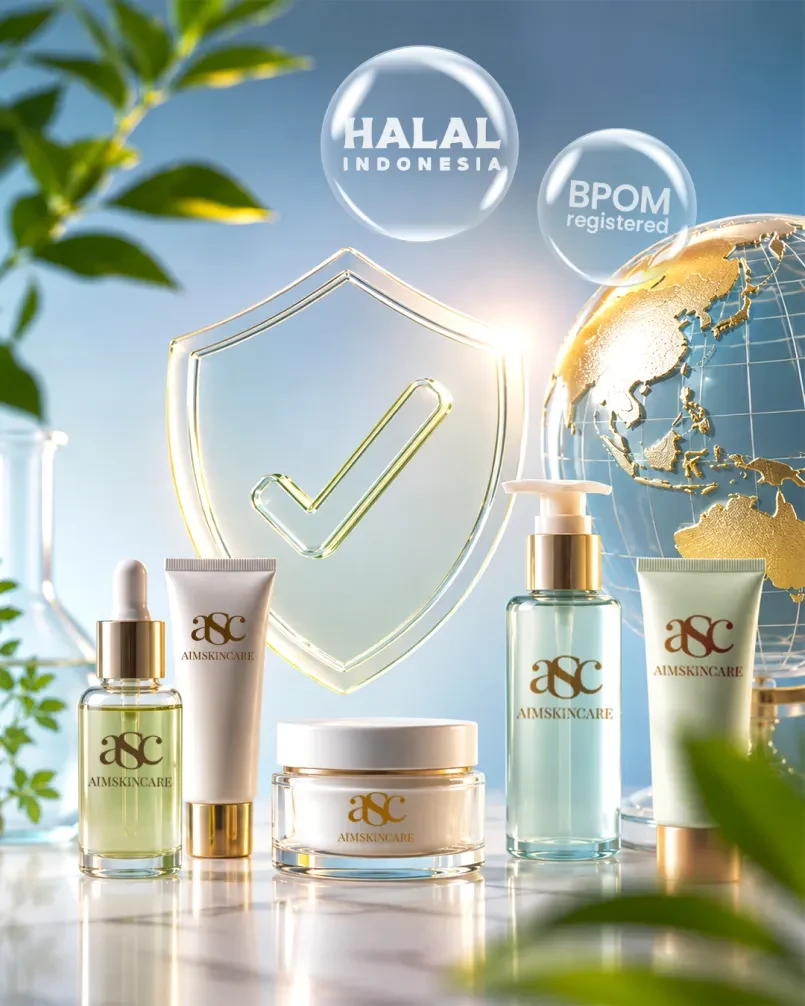
The contract manufacturing process generally consists of several stages, including formula development, product testing and packaging. In addition, skincare contract manufacturing also emphasizes compliance with the regulations in force in Indonesia, since skincare products must in fact meet safety and efficacy standards before being marketed. The Food and Drug Authority (Badan Pengawas Obat dan Makanan, BPOM) in Indonesia plays an important role in supervising beauty products and granting them marketing authorization, including those made through contract manufacturing.
The growing number of new skincare brands using contract manufacturing reflects high demand in the market. As public awareness of the importance of skincare grows, more entrepreneurs and small and medium businesses are emerging to meet this need. By using skincare contract manufacturing, they can develop products quickly without having to face complex operational challenges. This creates room for innovation and variety in skincare products, which is badly needed to capture consumers' attention.
Skincare Trends Among Indonesian Women
In recent years, the skincare trend has risen significantly among Indonesian women. Skincare is not just a beauty routine, but has also become an important part of everyday lifestyle. This can be seen in the growing number of local brands releasing skincare products, including skincare contract manufacturing, which gives consumers a range of choices.
The factors influencing skincare's popularity in Indonesia are very diverse. One of them is the strong influence of social media. Platforms such as Instagram and TikTok have become a way for many women to learn and share about skin care. Through these platforms, they can find tips on using skincare products, recommendations from influencers, and testimonials from users who have tried particular products. With this easy access to information, more and more women are becoming aware of the importance of skin care and the various products available on the market.
In addition, the influence of celebrities and influencers also cannot be overlooked. Many women are inspired by the beauty routines followed by their favourite public figures. Their advertising and endorsements are often a deciding factor in choosing which skincare products to use. Amid the rise of skincare contract manufacturing, many brands work with influencers to promote their products' strengths in the market, creating greater awareness and interest among consumers.
This skincare trend brings not only aesthetic benefits but also boosts confidence for many women. With more and more discussion around skin health and beauty, it is hoped that Indonesian women can find products that suit their skin's needs through the skincare contract manufacturing trend that is developing today.
Popular Skincare Contract Manufacturing Brands in Indonesia
The skincare contract manufacturing industry in Indonesia is growing, with various brands offering quality products made through contract manufacturing services. Some of the brands that have attracted public attention include Brand A, Brand B and Brand C. Each of these brands has its own distinctive character and strengths that contribute to its popularity.
Brand A is known for natural formulations made from local ingredients. Producing products such as face serums and moisturizers, this brand puts sustainability and eco-friendliness first. Many consumers appreciate Brand A's commitment to using organic ingredients that are kind not only to the skin but also to the environment.
Next, Brand B specializes in care products for acne-prone skin, including toners and night creams. With innovation in selecting effective active ingredients, this brand has succeeded in meeting the needs of consumers with acne-prone skin. A scientific approach to product development keeps Brand B relevant and well liked by users.
Brand C offers a range of anti-aging and skin revitalization products. With more complex formulations and the use of the latest technology, this brand focuses on delivering visible results. Consumers give many positive testimonials about the significant changes they experienced after using these products regularly.
The popularity of these three brands lies not only in the quality of the products they offer but also in effective marketing strategies, such as partnering with influencers and regularly educating consumers about the importance of skin care. Skincare contract manufacturing has therefore grown rapidly as a solution for beauty entrepreneurs to offer innovative products that match what the market wants.
Pros and Cons of Using a Skincare Contract Manufacturing Service
In a skincare industry that keeps growing, skincare contract manufacturing services are an attractive option for many new entrepreneurs. The skincare contract manufacturing concept allows entrepreneurs to produce beauty products without having to own their own production facilities. Behind this convenience, there are several pros and cons to be aware of.
One of the main advantages of using a skincare contract manufacturing service is cost savings. Entrepreneurs can minimize the initial investment needed to start a cosmetics business, such as infrastructure, equipment and labour costs. This allows entrepreneurs to focus on brand development and product marketing without getting caught up in operational complexity.
In addition, skincare contract manufacturers often offer access to experience and expertise in product formulation. The professional teams within a contract manufacturer can help entrepreneurs design and develop products that match market trends and consumer needs. With this support, the resulting skincare products tend to have a better chance of success in a competitive market.
However, there are also some drawbacks that should not be overlooked. Dependence on a third party can be a risk, especially if product quality is inconsistent. This can affect brand reputation and lower consumer trust. In addition, entrepreneurs must consider privacy concerns, as their product ideas and formulas may not be fully safe from intellectual property infringement.
Overall, using a skincare contract manufacturing service offers great opportunities but also brings challenges that need to be carefully considered. Entrepreneurs should evaluate their needs and business strategy so they can maximize the benefits while minimizing the risks associated with choosing a contract manufacturing partner.