How to Make Cosmetic Products Without Owning a Factory: Cosmetic Contract Manufacturing Solutions
Cosmetic contract manufacturing is a service that lets business owners produce cosmetic products without having to own a factory.
What Is Cosmetic Contract Manufacturing?
Cosmetic contract manufacturing (maklon) refers to a service that allows business owners to produce cosmetic products without having to own a factory. The process involves a partnership between the brand owner and the manufacturer, in which the manufacturer is responsible for formulating, producing and packaging the product according to the specifications set by the brand owner. Put simply, cosmetic contract manufacturing is an efficient way for entrepreneurs to enter the beauty market with a lower investment.
In the cosmetics industry, contract manufacturing can cover a wide range of products, including skincare, makeup and body care. The process generally begins with the brand owner presenting a product idea or concept to the contract manufacturer. The contract manufacturer's team of experts then carries out research and development to arrive at a suitable formulation. The manufacturer also handles production, which covers raw material selection, processing and packaging.
The main benefit of using a cosmetic contract manufacturing service is lower production cost and risk. By relying on a third party that has the facilities and the know-how to process the product, brand owners can focus more on marketing strategy and brand development. Contract manufacturing also gives flexibility in terms of when a product is launched to market, because brand owners do not need to spend time and resources building and running their own factory. In addition, the manufacturer's expertise allows the resulting product to be of good quality and in line with industry standards, which strengthens its competitiveness in the market.
Benefits of Using Contract Manufacturing for Cosmetic Products
The cosmetics industry has been one of the fastest-growing sectors in recent years. For many new entrepreneurs, however, starting their own cosmetic production can be a challenge in itself. Using a cosmetic contract manufacturing service offers a range of benefits that cannot be ignored. One of the main ones is savings on production costs. By entrusting production to a contract manufacturer, entrepreneurs can reduce the spending needed to buy equipment and raw materials and to hire staff.
Besides saving costs, contract manufacturing can also reduce investment risk. Entering the cosmetics industry can be a risky move, especially for new entrepreneurs. With a contract manufacturer, entrepreneurs do not need to make a large investment in production facilities that may sit unused if the product does not sell. This gives entrepreneurs a sense of security and the flexibility to evaluate and adjust their business strategy without being tied to a large investment.
Furthermore, cosmetic contract manufacturing offers flexibility in product development. Contract manufacturers generally provide a range of services, from product formulation to packaging and distribution. This allows entrepreneurs to focus on marketing strategy and brand development, while the technical and production aspects are handled by experts in the field. As a result, entrepreneurs can shorten the time it takes to launch a product and respond to trends faster.
Overall, using a cosmetic contract manufacturing service is a smart and efficient solution for those who want to enter the cosmetics market without owning a factory. With the many benefits on offer, entrepreneurs can maximize their potential in this industry.
How a Cosmetic Contract Manufacturing Service Works
When producing cosmetics through a cosmetic contract manufacturing service, there are several important steps to follow to ensure the product's quality and that it meets entrepreneurs' expectations. The process starts with formulation development, the first step, in which the entrepreneur discusses the product idea and desired specifications with the contract manufacturer. At this stage, raw material selection is the main concern, so that the final formulation can meet the required standards.
Once the formulation is approved, the next stage is testing. In this phase, the formulated product is tested to make sure it is safe to use and meets the desired criteria. Testing can include stability tests, dermatological tests and others relevant under the applicable regulations. The purpose is to identify potential problems before the product goes into mass production, avoiding bigger risks later on.
Once all the tests have been passed, the cosmetic contract manufacturer moves on to production. Here, production capacity is adjusted to the entrepreneur's demand. Product packing is also an important part of this process, because good packaging improves the product's appeal and protection. Contract manufacturers often offer packaging design options that can be tailored to the entrepreneur's branding, ensuring that the product is not only of high quality but also visually attractive.
It is important to note that collaboration between the entrepreneur and the contract manufacturer throughout this process is vital. Good communication and a clear understanding of each stage allow entrepreneurs to get the final product they want, so they can compete in the market more effectively.
Tips for Choosing the Right Cosmetic Contract Manufacturer
Choosing the right cosmetic contract manufacturer is a crucial step for entrepreneurs who want to produce cosmetics without owning a factory. Several factors can serve as a guide when choosing a provider. First, the provider's experience is very important. Find out how long they have been in the industry and what kinds of products they have made. Extensive experience tends to indicate a better ability to handle different types of formulas and product innovations.
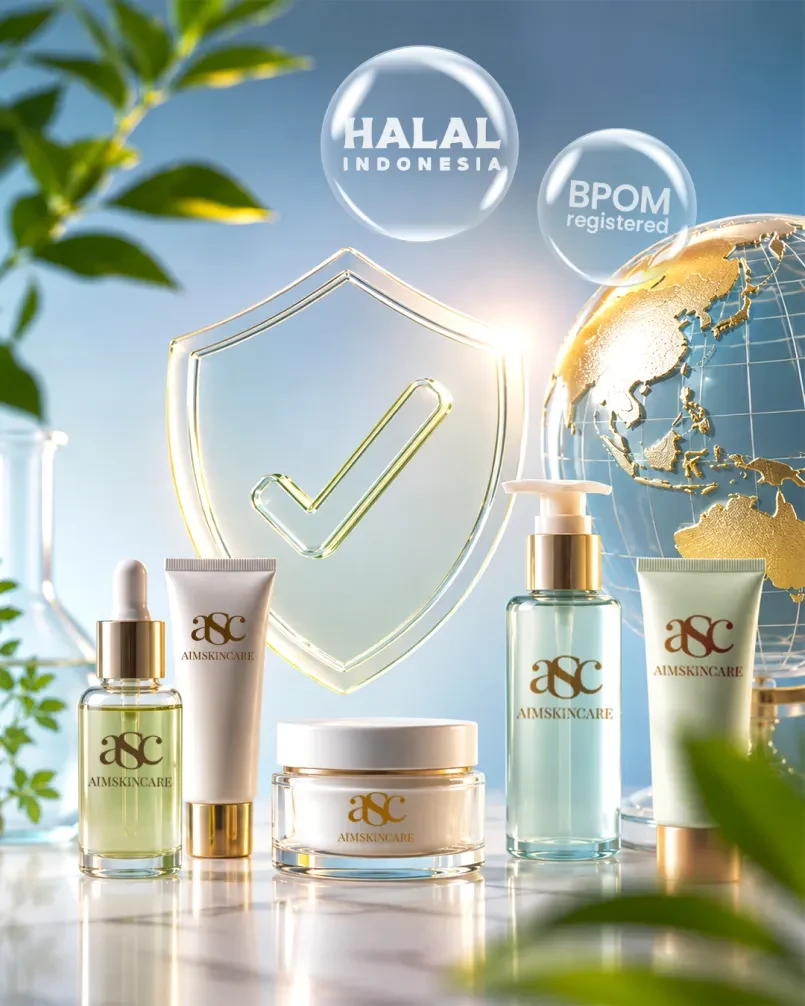
In addition, make sure the cosmetic contract manufacturer holds the appropriate certifications. Certificates such as GMP (Good Manufacturing Practices) and ISO show their commitment to product quality and safety. Having these certifications can add confidence in the products that will be made, which matters in the cosmetics industry.
Product quality is also an aspect that should not be underestimated. Ask for samples of products they have made so you can assess the quality first-hand. Look at the ingredients used, the texture and the packaging. Good quality reflects the provider's credibility. Good customer service is also very important. Make sure they are responsive and communicative in answering questions or fulfilling requests. This supports smooth communication between both parties and will keep the production process running well.
Finally, it is important to talk about negotiation. Discuss prices and terms of work clearly, and do not hesitate to ask for adjustments if needed. Building a good working relationship with your cosmetic contract manufacturer will greatly affect the success of your project. By considering all these aspects, you will be better prepared to choose the provider that best suits your cosmetic production needs.